
If you want a practical career with variety, training and the chance to make a real difference for customers, a jetting engineer job could be a strong next step.
This kind of role can suit people who enjoy hands-on work, problem-solving and being part of a reliable team. You may already have experience in driving, construction, maintenance, utilities, groundworks or another practical role. You may also be looking for a new route into an essential industry where you can build skills over time.
At Lanes Group, jetting engineers are part of the drainage solutions team. The work involves using high-pressure water jetting equipment to deal with drain-related issues and keep drainage systems working properly.
If you are curious about the role, you can explore current jetting engineer and jetting assistant jobs at Lanes Group.
What Does a Jetting Engineer Do?
A jetting engineer uses high-pressure water jetting to clean, clear and maintain drainage systems.
This can include removing fat, oil, grease, debris and other blockages from pipes and drains. Some jobs are part of regular maintenance programmes. Others are reactive jobs where a customer needs help with a blockage or drainage problem.
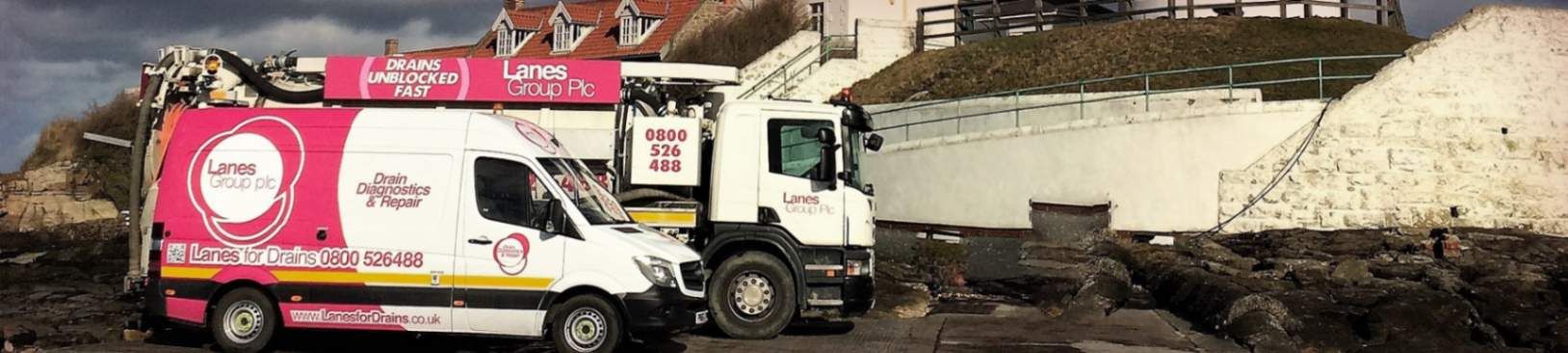
At Lanes Group, jetting engineer roles can involve work for domestic and commercial customers. You may attend different sites, use van-mounted jetting equipment, work with a colleague and follow clear safety standards while the work is carried out.
These roles are varied, active and hands-on. One day you may be carrying out planned maintenance to keep drainage systems working properly. The next, you could be responding to an emergency call-out, using high-pressure jetting equipment to clear a blockage and help a customer get back to normal. It is practical work with real responsibility, where you work closely with your team, solve problems on site and see the impact of what you have done.
You can also look at wider drainage engineer and drainage assistant jobs if you want to compare similar roles across Lanes Group.
Practical Skills That Help in a Jetting Engineer Role
You do not need to have spent years in drainage to have useful experience.
If you have worked in a practical job before, you may already have skills that can help you get started. Lanes Group values people who are reliable, willing to learn and comfortable working in hands-on environments.
Useful practical skills include:
-
Using tools or equipment safely.
-
Working outdoors in different weather.
-
Carrying out manual tasks.
-
Following instructions carefully.
-
Checking equipment before use.
-
Keeping work areas tidy and safe.
-
Working around vehicles or machinery.
-
Travelling to different sites.
-
Managing early starts or weekend working where required.
Experience in construction, groundworks, driving, maintenance, facilities, utilities, warehousing or plant operation can all be useful.
The important thing is you are comfortable with practical work. Jetting engineers need to use equipment, move around sites, work safely and respond to different drainage problems as they come up.
One of the main reasons our people thrive in this role is they enjoy active work and want to build a career away from a desk, or the cabin of a HGV.
Safety Awareness and Responsibility
Safety is one of the most important skills in a jetting engineer role.
High-pressure water jetting equipment is powerful. It must be used properly, with the right training and the right protective equipment. Jetting engineers also work around drains, roads, commercial premises, homes and public spaces, so a careful approach matters.
A good jetting engineer needs to:
-
Follow health and safety rules.
-
Use PPE correctly.
-
Set up a safe zone before starting work.
-
Work safely around high-pressure jetting equipment.
-
Understand site risks.
-
Communicate with colleagues before and during the job.
-
Follow company procedures.
-
Stop and ask for guidance if something is not safe.
Some roles may also involve confined space training, depending on the type of drainage work being carried out. First aid training can also be useful in some working environments.
Lanes Group has one of the UK's best internal training and development programmes, and we support all our people to build the confidence and knowledge they need for these practical roles.
Problem-Solving Skills
Drainage problems are not always obvious straight away.
A blocked pipe may be caused by fat, oil, grease, debris, root damage, structural damage or another issue. A jetting engineer needs to look at the situation, work with their team and use the right method to help get the drainage system working again.
This makes these roles ideal for problem-solvers.
You may need to:
-
Understand what the customer is reporting.
-
Look at the site and access points.
-
Decide how to set up safely.
-
Use high-pressure water jetting in the right way.
-
Work with colleagues to clear the blockage.
-
Know when another team may need to be involved.
-
Support planned maintenance as well as urgent work.
Some drainage jobs may also involve CCTV drainage surveying teams. These teams inspect pipes, find blockages and identify structural problems. As you build experience, you may start to understand how different drainage roles work together.
As much as our teams get to use the latest technology available, it's the ability to think through problems that don't have a clear solution, and come up with the safest, most practical way to resolve things.
Communication and Customer Service Skills
Jetting engineers often meet customers at the point where something has gone wrong.
A blocked drain, flooded area or drainage issue can be stressful. Customers may be worried about damage, disruption or how long the work will take. This is why communication matters.
In a jetting engineer role, strong customer service means being clear, calm and professional. You do not need to over-explain technical details. You do need to help the customer understand what is happening and what the team is doing.
Good communication can include:
-
Explaining when work will start.
-
Letting customers know about access needs.
-
Keeping people away from unsafe areas.
-
Updating the customer if the job changes.
-
Speaking professionally on domestic and commercial sites.
-
Working closely with colleagues throughout the job.
This is one of the parts of the job that can feel rewarding. You are helping people deal with real problems, often when they need support quickly.
At Lanes Group, employees represent the company while they are on site. Being polite, reliable and clear with customers is part of doing the job well.
Driving Skills and Licence Requirements
Jetting engineer jobs involve travelling to different sites.
For this reason, you need to be a qualified HGV driver. A clean UK driving licence is vital too, as it shows that you are reliable and responsible on the road.
Driving is only one part of the job, but it is still important. Jetting engineers need to arrive safely, bring the right equipment and be ready to work on different sites.
A lorry driving background, this can be a useful route into drainage. The difference is that a jetting engineer role gives you the chance to combine driving with hands-on equipment operation and site work.
You can also explore wider driver jobs at Lanes Group if you are interested in our further HGV roles.
Qualifications That Help You Become a Jetting Engineer
The qualifications needed for a jetting engineer job can vary by role.
Some qualifications may be essential. Others may help strengthen your application or support your development once you are in the role.
Useful qualifications and training can include:
-
A full UK driving licence.
-
Water Jetting Association training or certification.
-
CSCS card.
-
Confined space training.
-
First aid training.
-
Health and safety training.
-
NRSWA training, where relevant.
-
Previous drainage experience, where available.
High-pressure water jetting training is especially relevant because the role involves specialist equipment. It helps engineers understand safe use, equipment handling and the risks involved in jetting work.
A CSCS card can be useful for site-based work, especially where engineers attend construction or commercial sites. Confined space training may also be needed for certain drainage environments.
You do not need to guess which qualifications apply to every role. The best step is to read the job advert carefully and check the essential requirements.
Lanes Group also has a useful guide to qualifications that can help you build a drainage career. If you are thinking about wider progression, you can also read about drainage engineer qualifications.
Teamwork and Reliability
Jetting engineers do not usually work in isolation.
Many jobs involve working closely with a colleague, often as part of a two-person team. Because the work can involve powerful equipment, live sites, vehicles and safety procedures, it's important that you can be a reliable team player. In this role, that includes:
-
Turning up on time.
-
Being ready for early starts where needed.
-
Following the job plan.
-
Communicating clearly.
-
Helping your colleague work safely.
-
Taking responsibility for equipment and uniform.
-
Staying calm during urgent jobs.
Many of our roles include weekend working, bank holiday work or emergency call-outs. This is common in drainage because problems can happen outside normal working hours. For those who want it, this means picking up significant overtime pay on top of their salary.
Can You Learn Jetting Engineer Skills on the Job?
Many jetting engineer skills can be developed on the job.
You will need the right attitude, basic practical ability and a commitment to safety. But you do not need to know everything before you start.
At Lanes Group, regular training and professional development can help employees build their confidence over time. Newer team members can learn from experienced colleagues, gain knowledge of drainage systems and develop their ability to use specialist equipment properly.
On-the-job learning may include:
-
Understanding drainage systems.
-
Using van-mounted jetting equipment.
-
Learning how to clean pipes safely.
-
Building confidence with high-pressure jetting.
-
Understanding safety standards.
-
Working with customers.
-
Taking part in routine maintenance.
-
Supporting reactive works.
-
Gaining further qualifications.
This is one reason the role can appeal to people looking for a new career. You can enter the drainage industry, build practical skills and keep developing as you gain experience.
You can learn more about career development training at Lanes Group.
What Can a Jetting Engineer Career Lead To?
With the right training and experience, we can help you build a long-term career in an essential industry. Lanes Group works across drainage, wastewater and utilities, which means there can be different routes to explore as your skills develop.
Possible next steps may include:
-
Senior jetting engineer.
-
Drainage technician.
-
Drainage engineer.
-
CCTV drainage surveying team roles.
-
Specialist drainage roles.
-
Planned maintenance work.
-
Supervisory roles.
-
Other engineer jobs across the drainage sector.
You may find that you enjoy the technical side of drainage work. You may prefer customer-facing jobs, emergency works, planned maintenance or team leadership. As your knowledge grows, you can start to see which route suits you best. You can view wider engineering jobs at Lanes Group to see related opportunities.
How to Show These Skills When You Apply
When you apply for a jetting engineer job, you should focus on the skills that show you are practical, reliable and ready to learn.
Start with the basics. If you have a full UK driving licence, make that clear. If you have previous drainage experience, high-pressure jetting experience, a CSCS card or confined space training, include it.
If you do not have drainage experience, focus on transferable skills.
You could mention examples where you have demonstrated:
-
Practical work experience.
-
Driving experience.
-
Work with tools or equipment.
-
Outdoor work.
-
Construction, groundworks or maintenance experience.
-
Customer service.
-
Health and safety awareness.
-
Problem-solving.
-
Teamwork.
-
Reliability.
-
Willingness to complete training.
Your cover letter is an opportunity to explain why you are interested in the role. Keep it clear and honest. You do not need to make the job sound more complicated than it is. Focus on why the work appeals to you and why your background could help you succeed.
For example, you may want a full-time position where you can work outdoors, learn specialist skills and become part of a dynamic team. You may want a role where your work has a visible impact for customers. You may also want to build a rewarding career in a new industry.
Lanes Group explains its recruitment steps on the application process page. You can also read the guide on how to apply for a job at Lanes Group before you begin.
Start Your Jetting Engineer Career With Lanes Group
A jetting engineer job can suit people who want practical work, reliable employment and the chance to build skills in a new industry.
You need to be safety-conscious, practical, reliable and comfortable working with people. You may need a full UK driving licence and certain role-specific qualifications. Previous drainage experience can help, but it is not always the only thing that matters.
At Lanes Group, jetting engineers play an important role in keeping drainage systems working for customers across the United Kingdom. The work can be active, varied and demanding, but it can also offer training, development and a route into a long-term career.
If you want a role where you can learn, work as part of a team and make a real impact for customers, explore current jetting engineer and jetting assistant jobs at Lanes Group or search our drainage jobs to see what opportunities are available near you.

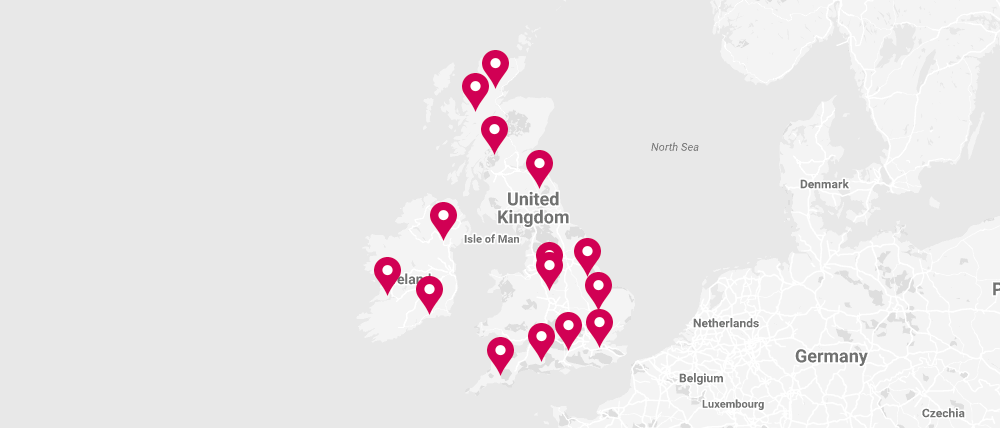
Our Offices, Divisions & Depots

Lanes Group Ltd,
17 Parkside Lane, Parkside Industrial Estate, Leeds, LS11 5TD
Lanes Group ltd
Customer Solutions Centre
9 Cambridge Avenue
Slough
SL1 4AY
Our News Feeds
Andy’s jobs journey reaches fulfilment down in the sewers
Andy led the Lanes emergency team, working on behalf of Thames Water, that first responded to the discovery of the Islington concreteberg.
Why Lanes Group - and the drainage sector - is perfect for those looking for a new career
Find out more about what makes the drainage sector such an attractive proposition for those looking for a change in career.
Where to start when making a career change
Let us help you understand your options when it comes to changing careers
How to successfully apply for a role as a Lanes Group CCTV engineer
Find out more about what we're looking for in our CCTV engineers, and how to maximise your chances of securing a role with Lanes Group.
What it’s actually like to work in the drainage industry
In this article, we look at the many great things about working in the sector and show you what it’s really like to have a career in this growing sector, while busting a fair few myths in the process.
Vicky has perfect role keeping online sales flowing
Personality, determination and a very good understanding of the drainage industry – all qualities that Vicky Smith puts to excellent use as an online sales executive at Lanes Group plc.