
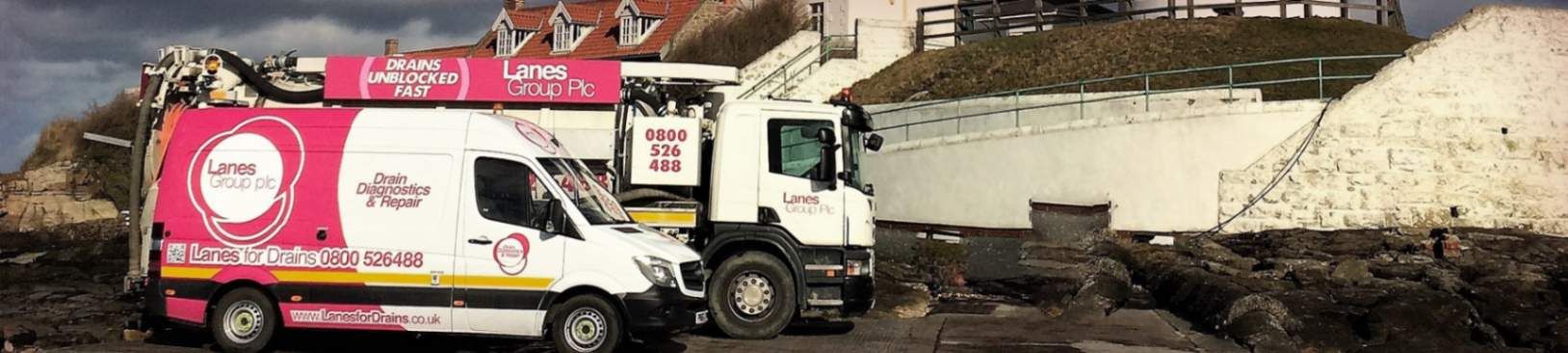
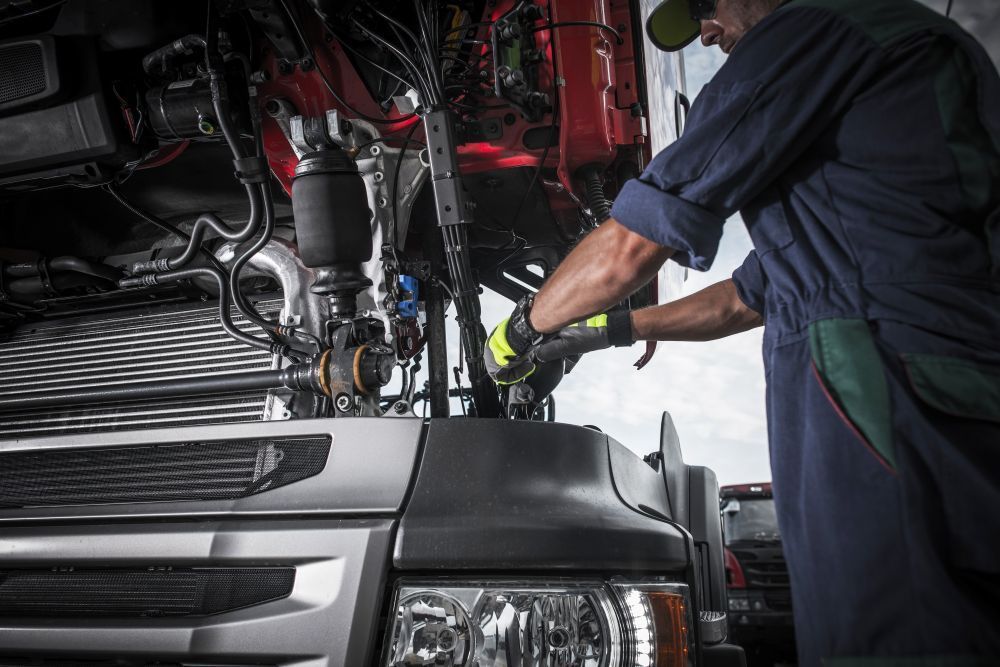
HGV mechanics keep heavy vehicles safe, reliable and ready for work. They service, inspect and repair heavy goods vehicles, diagnose faults, complete maintenance records and make sure vehicles meet road safety standards.
At Lanes Group, this work makes it possible for us to complete essential drainage and wastewater services. Our mechanics keep the specialist vehicles behind our national operation moving, from routine maintenance work to urgent callouts where customers need support quickly.
This is a hands-on role for people who enjoy getting under the hood and fixing things. If you want a career that combines technical skill, job security and the satisfaction of keeping important services moving, HGV mechanic jobs at Lanes Group offer a strong route forward. Read on to find out what this work involves.
What Is an HGV Mechanic?
An HGV mechanic is a skilled vehicle technician who works on heavy goods vehicles.
The role is also known as HGV technician, heavy vehicle technician or heavy vehicle mechanic. The exact job title changes from employer to employer, but the purpose stays the same: keeping heavy vehicles safe, roadworthy and ready for use.
The National Careers Service describes a heavy vehicle technician as someone who services and repairs lorries, trailers, transporters, forklifts, buses and coaches. This makes it a broader role than working only on cars or vans. HGV mechanics need strong knowledge of heavy vehicle systems, practical repair skills and the confidence to work with larger, more complex machinery.
At Lanes, our HGV mechanics use those skills to support a fleet that plays a vital role in drainage, wastewater and infrastructure services across the UK.
What Does an HGV Mechanic Do Day to Day?
Day to day, HGV mechanics inspect, service and repair heavy vehicles.
They check brakes, lights, tyres and fluid levels. They carry out oil changes, replace worn parts, run diagnostic tests and identify vehicle issues before they become bigger problems. When a truck, tanker or specialist vehicle develops a fault, the HGV mechanic diagnoses the problem and gets the vehicle back into safe working order.
The role includes routine maintenance and more complex repair work. One job can involve a scheduled heavy vehicle service. The next can involve a major engine fault, an electrical issue, a braking problem or work needed before an MOT inspection.
HGV mechanics use hand tools, power tools and diagnostic equipment. They also complete relevant documentation so every service, inspection and repair is properly recorded.
This is skilled work that demands attention to detail. Heavy vehicles need to be maintained to a high standard because they work hard, carry heavy loads and support services customers rely on every day.
What Does an HGV Mechanic Do at Lanes Group?
At Lanes, HGV mechanics keep our national fleet ready for the work our customers depend on.
Our vehicles support drainage and wastewater teams across the UK. They help our people reach homes, businesses, commercial sites and public infrastructure where drainage issues need to be solved. That means reliability matters every day.
Our HGV mechanics inspect engines, diagnose mechanical and electrical faults, repair or replace defective parts, carry out DVSA vehicle testing, road-test vehicles and complete the required documentation. They work across different manufacturers and models, using diagnostic equipment, practical judgement and strong technical knowledge to keep vehicles fit for purpose.
The work is varied because our fleet supports a specialist operation. Lanes teams carry out drainage maintenance, emergency callouts, drain cleaning, CCTV surveys, jet vac work, tankering and other wastewater services. The vehicles that support that work need skilled mechanics behind them.
This gives the HGV mechanic role at Lanes real purpose. Every vehicle you maintain helps our frontline teams get to customers, complete jobs safely and keep essential services moving.
Why HGV Mechanics Are Vital to Drainage and Wastewater Work
An HGV mechanic at Lanes does more than repair vehicles in a workshop. The role supports the people, equipment and vehicles that keep drainage and wastewater services running.
When a drainage team responds to an urgent callout, they need a vehicle they can trust. When a jet vac operator heads to site, the equipment must be ready. When a tanker driver supports wastewater services, the vehicle must be safe, reliable and fully operational.
That starts with good maintenance.
HGV mechanics keep the fleet moving so drainage teams can clear blockages, carry out repairs, support planned maintenance and respond quickly when customers need help. Without reliable vehicles, even the best drainage teams cannot reach the people who need them.
This is why the role carries real responsibility. Your work in the workshop helps homes, businesses, public sites and infrastructure stay supported. It gives frontline teams the backing they need to do their jobs well.
You can also explore related roles such as HGV driver jobs at Lanes Group, jet vac operator jobs at Lanes Group and tanker driver jobs at Lanes Group to see how our mechanics support the wider operation.
What Vehicles and Equipment Do HGV Mechanics Work On?
HGV mechanics work on heavy goods vehicles, trucks, commercial vehicles and specialist fleet vehicles.
In a standard HGV mechanic job, that can include lorries, trailers, buses, vans, recovery vehicles and other heavy vehicles. In some industries, mechanics also work around agricultural machinery, plant equipment or specialist vehicle systems.
At Lanes, the role includes vehicles that support drainage and wastewater operations. These vehicles work hard and often carry specialist drainage equipment. Some support high-pressure water jetting, tankering, jet vac work, CCTV drainage surveys and other site-based services.
This means the role combines traditional vehicle maintenance and repair with the demands of specialist equipment and modern vehicle technology.
A good HGV mechanic understands mechanical systems, electrical systems, safety standards and the practical pressure of keeping working vehicles available. You are not only fixing a vehicle. You are keeping a service ready for customers.
What Skills Does an HGV Mechanic Need?
Good HGV mechanics understand vehicle systems, use diagnostic equipment, work efficiently and pay close attention to detail. They are confident with tools, repairs, testing and documentation. They also take safety seriously because they work with heavy vehicles, machinery and equipment that need proper care.
Communication matters too. Mechanics work with drivers, workshop managers, supervisors and operational teams. They need to explain faults clearly, follow instructions and keep accurate records.
The role is hands-on and physically demanding at times. It suits people who like practical work, enjoy solving technical problems and take pride in getting vehicles back into service.
At Lanes, the ideal candidate is reliable, organised and confident working alone or as part of a busy team. You need the ability to work to deadlines, follow written and spoken instructions and keep standards high even when the workshop is busy.
What Qualifications Do You Need to Become an HGV Mechanic?
The qualifications needed depend on the employer and role.
Many people become HGV mechanics through college courses, apprenticeships or direct applications from other vehicle mechanic jobs. A Level 3 Heavy Vehicle Maintenance and Repair Apprenticeship is a common route into the industry, while vocational training in automotive mechanics also gives people a strong starting point.
School leavers who want this career benefit from GCSEs in English, maths and IT. These subjects support the diagnostics, measurements and technical systems that mechanics use day to day.
Advanced diplomas in heavy vehicle technology can also increase earning potential and help people move towards more senior technician roles. As vehicles develop, mechanics also need to keep learning about new systems, including electric vehicles, diagnostics and changing vehicle technology.
At Lanes, applicants for HGV mechanic jobs need a certificate in Light Vehicle Maintenance Level 3 and solid work experience in the automotive industry. That makes the role a strong next step for vehicle technicians who already understand maintenance and repair, but want to work with heavy vehicles in a secure and essential sector.
What Is the Working Environment Like?
HGV mechanic work is practical, busy and hands-on.
Much of the work takes place in a workshop, where mechanics inspect, service and repair vehicles. Some work also takes place outdoors or around operational sites, depending on the employer, vehicle and repair needed.
The environment can be noisy, dirty and physically demanding. Mechanics work with heavy parts, tools, power tools, diagnostic equipment and large vehicles. They need to stay alert, follow safety procedures and use the correct protective equipment.
Some HGV mechanics also travel to client sites or respond to breakdowns. In industries that operate around the clock, there can be shift patterns or emergency callout work.
At Lanes, our vehicles support drainage and wastewater services that customers rely on every day. That means our workshop teams play an important role in keeping the fleet ready, safe and reliable.
Why Roadworthiness and Documentation Matter
HGV mechanics do more than fix faults. They support roadworthiness.
Roadworthiness means a vehicle is safe, compliant and suitable to be used on the road. For commercial vehicles, this is essential. Heavy goods vehicles need regular inspection, maintenance and accurate records so employers know they are safe and ready for work.
The DVSA guidance on maintaining commercial vehicle roadworthiness explains that operators need strong maintenance systems, proper inspections, defect reporting and effective repair records. For HGV mechanics, that makes documentation a key part of the job.
A repair is not complete just because the vehicle runs again. The work also needs to be checked, recorded and completed to the required standard.
At Lanes, our vehicles support real customer work. A well-maintained vehicle protects drivers, colleagues, customers and the public. It also allows our teams to respond efficiently when drainage or wastewater issues need attention.
Can You Build a Career as an HGV Mechanic?
HGV mechanics build skills that stay valuable across transport, utilities, drainage and fleet maintenance.
Heavy vehicles are essential to many industries. Logistics companies, construction businesses, transport companies, public services and utilities all rely on skilled mechanics to keep vehicles moving. That gives the role strong long-term career value.
At Lanes, an HGV mechanic job gives you the chance to support a national operation, learn about specialist fleet vehicles and build experience in a secure industry. You are not only repairing vehicles. You are enabling a business to deliver essential drainage and wastewater services across the UK.
There are also clear development opportunities. With experience, HGV mechanics can move into senior technician roles, specialist mechanic roles, team leader positions or workshop manager roles. Some people also develop deeper expertise in diagnostics, vehicle technology, electric vehicles or specialist equipment.
You can learn more about training and development at Lanes Group, and the rewards and benefits we offer our people.
Is an HGV Mechanic Job Right for You?
An HGV mechanic job suits people who enjoy practical work, technical problem-solving and the satisfaction of getting vehicles back into service.
It is a strong fit for vehicle technicians who want to move from cars and vans into heavy vehicles. It also suits school leavers considering an apprenticeship route, mechanics with experience in commercial vehicles and people who want a hands-on career with job security.
You need patience, focus and a willingness to keep learning. Vehicle technology changes, and HGV mechanics need to stay confident with new systems, diagnostic tools and safety standards.
This is also a role for people who like being part of a team. Your work supports drivers, drainage engineers, jet vac operators, tanker drivers, CCTV teams and customers. When you maintain a vehicle well, you help the whole operation work better.
For people who want practical responsibility, specialist vehicle experience and long-term development, HGV mechanic work offers a rewarding career path.
Start Your HGV Mechanic Career With Lanes Group
HGV mechanics keep heavy vehicles safe, reliable and ready for the work customers depend on.
At Lanes, that means supporting a national drainage and wastewater operation where every vehicle plays a role in essential services. Our mechanics help keep specialist vehicles moving, support frontline teams and make sure our customers receive the service they need.
If you want hands-on work, specialist vehicle experience and a career with long-term development, explore HGV mechanic jobs at Lanes Group today.
You can also search our latest jobs to find your next opportunity with Lanes.

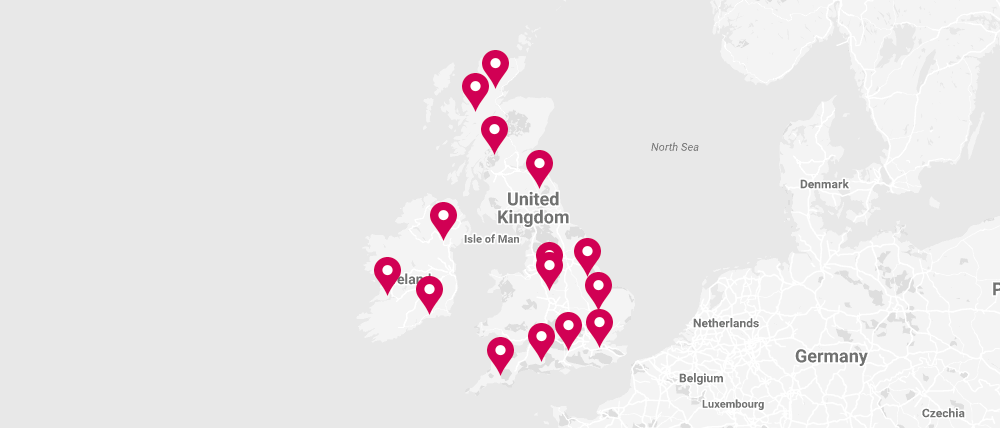
Our Offices, Divisions & Depots

Lanes Group Ltd,
17 Parkside Lane, Parkside Industrial Estate, Leeds, LS11 5TD
Lanes Group ltd
Customer Solutions Centre
9 Cambridge Avenue
Slough
SL1 4AY
Our News Feeds
Andy’s jobs journey reaches fulfilment down in the sewers
Andy led the Lanes emergency team, working on behalf of Thames Water, that first responded to the discovery of the Islington concreteberg.
Why Lanes Group - and the drainage sector - is perfect for those looking for a new career
Find out more about what makes the drainage sector such an attractive proposition for those looking for a change in career.
Where to start when making a career change
Let us help you understand your options when it comes to changing careers
How to successfully apply for a role as a Lanes Group CCTV engineer
Find out more about what we're looking for in our CCTV engineers, and how to maximise your chances of securing a role with Lanes Group.
What it’s actually like to work in the drainage industry
In this article, we look at the many great things about working in the sector and show you what it’s really like to have a career in this growing sector, while busting a fair few myths in the process.
Vicky has perfect role keeping online sales flowing
Personality, determination and a very good understanding of the drainage industry – all qualities that Vicky Smith puts to excellent use as an online sales executive at Lanes Group plc.