
If you are applying for groundworker jobs, your CV does not need to be complicated. It needs to show that you are practical, reliable, safety-conscious and ready for hands-on work.
At Lanes, we know that not everyone has a polished CV ready to send. You may have worked in construction, drainage, labouring, driving, warehousing, property maintenance or another practical job where your skills are better shown on site than on paper.
That is why we created a free manual workers CV template. It makes it easy for you to put your experience into a clear structure, so employers can quickly see what you can do.
In this guide, we explain how to write a groundworker CV, what to include, how to describe your skills and how to use our template when you apply for groundworker or excavation assistant jobs at Lanes Group.
What Should a Groundworker CV Show?
A strong groundworker CV should show the kind of practical work you have done and the attitude you bring to site.
Employers want to know that you can work safely, follow instructions, turn up on time and support the team. They also want to see any experience you have in construction, drainage, labouring, site preparation, excavation, tools, machinery or outdoor manual work.
If you are applying for excavation assistant roles, your CV should show that you are ready to learn from experienced operatives. You do not need to make yourself sound like a senior groundworker if you are still building experience. You need to show that you are dependable, physically fit, safety-conscious and willing to work hard.
At Lanes, our groundworkers prepare and maintain sites, support excavation work, assist with drainage repairs and help keep essential projects moving safely. If you want to understand the role before you apply, you can explore our groundworker jobs at Lanes Group.
Start With Your Contact Details
Put your contact details at the top of your CV so recruiters can reach you quickly.
Include your full name, phone number, email address and location. You do not need to include your full home address, but your town or region helps employers understand where you are based.
If you have a full UK driving licence, include that clearly near the top of your CV. Many groundworker and excavation roles involve travelling to sites, so a driving licence can make your application stronger.
You can also include your availability if it helps, especially if you are ready to start quickly or looking for full-time work.
Write a Short Personal Statement
Your personal statement is a short paragraph at the top of your CV. It should tell the employer who you are, what experience you have and what kind of role you are looking for.
Keep it direct. Do not use long, generic phrases. Focus on practical experience, reliability, safety and teamwork.
For example, if you already have groundworker or construction experience, you could write:
Reliable and hardworking groundworker with experience in construction site work, manual labour and outdoor practical tasks. Confident following health and safety procedures, working as part of a team and supporting site preparation, excavation and drainage works. Looking to build a long-term career in groundworks and excavation with Lanes Group.
If you have less direct experience, you could write:
Reliable and physically fit worker with experience in hands-on roles and a strong interest in groundworks and excavation. Confident working outdoors, following instructions and supporting a team. Looking for an opportunity to build practical site skills and develop a long-term career with Lanes Group.
Your personal statement does not need to cover everything. It should give the recruiter a quick reason to keep reading.
List Your Work Experience Clearly
Your work experience section is one of the most important parts of your CV.
Start with your most recent job, then work backwards. For each role, include your job title, employer and the dates you worked there. Under each job, use short bullet points to explain what you did.
Focus on the tasks that connect to groundworker and excavation assistant jobs. This includes site work, physical tasks, tools, machinery, safety, teamwork, customer service and any experience working outdoors.
Good CV bullet points might include:
-
Prepared work areas and kept sites clean, organised and safe.
-
Supported excavation, trenching and drainage-related tasks.
-
Used hand tools and power tools safely under supervision.
-
Followed site health and safety procedures and reported hazards.
-
Worked with plant operators, tradespeople and supervisors to keep jobs moving.
-
Helped with concreting, reinstatement and finishing tasks.
-
Loaded, moved and organised materials safely on busy sites.
-
Delivered reliable attendance and punctuality on construction projects.
If you worked in a different industry, still look for transferable skills. Driving, warehousing, landscaping, property maintenance, refurbishment work, basic plumbing maintenance and labouring can all show that you are used to practical, physical work.
Match Your CV to the Groundworker Job Description
Before you apply, read the groundworker job description carefully.
Look for the skills, duties and qualifications the employer mentions. If the role asks for site preparation, excavation support, drainage works, CSCS, teamwork or health and safety awareness, your CV should show where you have those skills.
Do not copy the job description word for word. Use your own examples. The aim is to help the recruiter connect your experience to the role quickly.
For example, if the job description mentions drainage repairs, you could include any experience you have supporting pipework, working around existing drainage systems, helping with reinstatement or assisting a team on repair works.
If the role is an excavation assistant job, show that you understand the assistant route. You are there to support more experienced operatives, learn the work and help the crew complete each job safely.
You can explore current excavation operative and assistant jobs at Lanes Group to see the kind of duties and skills we look for.
Include the Right Groundworker Skills
Your skills section should be easy to scan.
Use short phrases that match the kind of work you want to do. For groundworker and excavation assistant roles, practical skills, safety awareness and reliability matter more than long descriptions.
Useful skills to include on a groundworker CV include:
-
Site preparation
-
Excavation support
-
Drainage works
-
Trenching
-
Concreting and finishing
-
Use of hand tools and power tools
-
Working around plant machinery
-
Health and safety awareness
-
Keeping work areas clean and safe
-
Teamwork
-
Communication
-
Reliability and punctuality
-
Physical fitness and stamina
-
Customer service
-
Ability to follow instructions
Only include skills you can talk about honestly in an interview. If you are still developing a skill, keep the wording simple. For example, “experience supporting excavation work” is better than claiming to be an expert if you are still learning.
Add Your Qualifications and Training
Put your qualifications and training in a separate section so they are easy to find.
For groundworker and excavation assistant jobs, useful qualifications can include:
-
CSCS card
-
NRSWA
-
NVQ Level 2 in Construction Operations or a related qualification
-
First aid training
-
Health and safety training
-
College courses or apprenticeships in construction or groundworks
A CSCS card is important for many UK construction site roles. You can read more about the CSCS Labourer card if you are starting out and want to understand the entry-level route.
If you are working towards a qualification, include that too. For example, you can write “CSCS card in progress” or “currently completing health and safety training” if that is accurate.
You can also read our guide to what qualifications you need to be a groundworker at Lanes for more detail on training, site cards and progression.
What If You Do Not Have Groundworker Experience?
If you do not have direct groundworker experience, focus on transferable skills.
Employers still value people who have worked outdoors, used tools, followed safety rules, supported a team or done physically demanding work. Your CV should show that you are practical, dependable and ready to learn.
Think about the experience you already have. Have you worked in labouring, driving, warehousing, landscaping, maintenance, refurbishment, construction support or customer-facing practical work? Have you worked early starts, lifted materials, followed instructions, used tools or worked under pressure?
Those details belong on your CV.
If you are applying for an entry-level or assistant role, show that you understand what the job involves. You need to be honest about your experience, but confident about your attitude. Reliability, safety awareness and willingness to learn are valuable.
Once published, this is also a good place to link to our guide on becoming an excavation assistant without groundworks experience.
Keep Your CV Short, Clear and Easy to Read
Recruiters review applications quickly, so make your CV easy to scan.
Use clear headings, short bullet points and simple wording. Keep the most relevant skills, qualifications and site experience near the top of the CV.
A good groundworker CV usually fits onto one or two pages. You do not need to include every job you have ever had in detail. Focus on the experience that shows you can do practical work, follow safety procedures and support a team.
Before you send your CV, check:
-
Is your phone number correct?
-
Is your email address professional?
-
Are your qualifications easy to find?
-
Have you included your most relevant experience?
-
Are there any spelling mistakes?
-
Does your CV match the job you are applying for?
A clear CV makes the recruiter’s job easier. It also shows that you take the application seriously.
Download Our Free Manual Workers CV Template
To make your application easier, we created a free manual workers CV template.
It is designed for people applying for hands-on roles such as groundworker, excavation assistant, drainage, construction and other manual jobs. It shows what to include, how to structure each section and how to make your experience clear.
You do not need to start from a blank page. Download the template, replace the example information with your own details and tailor it to the role you want.
Use it to show:
-
Your practical skills
-
Your work history
-
Your qualifications
-
Your safety awareness
-
Your reliability
-
Your interest in groundworker or excavation assistant jobs
The template is also useful if you are changing careers or applying for your first role in groundworks. It gives you a structure, so you can focus on showing what you bring.
Apply for Groundworker and Excavation Assistant Jobs at Lanes
Once your CV is ready, you can start applying for roles.
At Lanes, we review your skills, qualifications, experience and transferable skills against the role you apply for. That means your CV should make your practical background clear, even if you have not worked in groundworks before.
You can browse current groundworker jobs at Lanes Group or view excavation operative and assistant jobs at Lanes Group.
If you want to understand what happens after you apply, read more about our application process. You can also search our latest jobs to find opportunities across Lanes.

Our Offices, Divisions & Depots
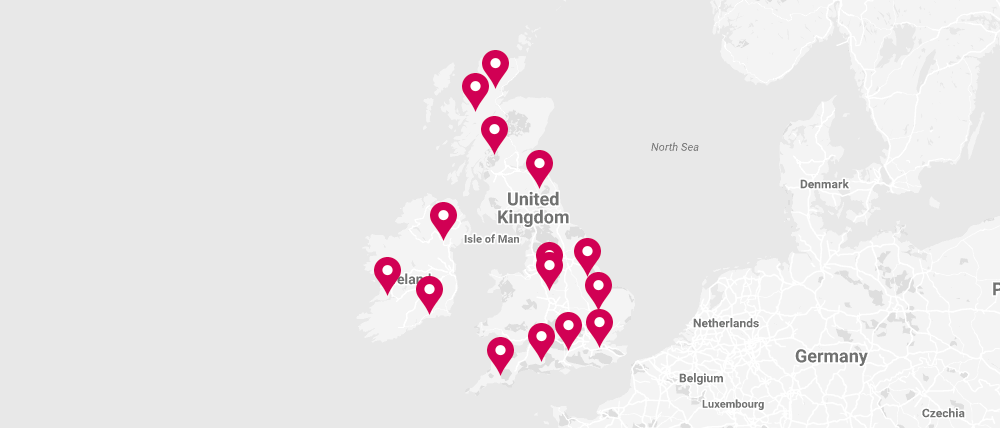

Lanes Group Ltd,
17 Parkside Lane, Parkside Industrial Estate, Leeds, LS11 5TD
Lanes Group ltd
Customer Solutions Centre
9 Cambridge Avenue
Slough
SL1 4AY
Our News Feeds
Andy’s jobs journey reaches fulfilment down in the sewers
Andy led the Lanes emergency team, working on behalf of Thames Water, that first responded to the discovery of the Islington concreteberg.
Why Lanes Group - and the drainage sector - is perfect for those looking for a new career
Find out more about what makes the drainage sector such an attractive proposition for those looking for a change in career.
Where to start when making a career change
Let us help you understand your options when it comes to changing careers
How to successfully apply for a role as a Lanes Group CCTV engineer
Find out more about what we're looking for in our CCTV engineers, and how to maximise your chances of securing a role with Lanes Group.
What it’s actually like to work in the drainage industry
In this article, we look at the many great things about working in the sector and show you what it’s really like to have a career in this growing sector, while busting a fair few myths in the process.
Vicky has perfect role keeping online sales flowing
Personality, determination and a very good understanding of the drainage industry – all qualities that Vicky Smith puts to excellent use as an online sales executive at Lanes Group plc.