
Resources
Civil Engineering Job Categories Explained
Civil engineering is a role with multiple career paths, and the position you end up in often depends on the projects you work on, the technical skills you develop and how much time you want to spend in design environments versus on live construction sites.
For people looking at civil engineering jobs for the first time, that range can be difficult to interpret. Job adverts may look similar even when the day-to-day work is very different.
In this guide, we’ll break down the main civil engineering job categories, explain how they link to different civil engineering fields, and show how civil engineering graduates and career changers can build experience towards the kind of role they want.
Technical Design and Planning Roles
Civil engineering projects start with planning, feasibility and design. This is where civil engineers design the early concepts and translate them into workable solutions that can be built, maintained and operated safely.
In technical design roles, engineers might:
- Produce engineering plans and technical drawings for infrastructure projects.
- Model structures and systems using computer software.
- Review environmental conditions and constraints.
- Assess materials and construction methods.
- Apply engineering principles to meet performance and safety standards.
These jobs suit people who enjoy detail, structured problem solving and technical expertise. They also provide a strong foundation for progression into specialist areas later on, particularly where projects become more complex and require detailed analysis.
Site Engineering and Infrastructure Roles
A large proportion of civil engineering jobs involve on-site delivery. This is where plans meet reality and where engineers take responsibility for how work is carried out in live environments.
Site engineering roles can involve:
- Overseeing construction projects day to day.
- Managing contractors and site resources.
- Monitoring progress and quality.
- Responding to unexpected changes in ground conditions or programme constraints.
- Supporting safe working practices in line with regulations.
For many people, this category is where a civil engineering career feels most tangible. You see the work happening in real time, and you build strong practical skills through repetition and exposure to different types of construction work.
It’s also common for engineers in these roles to work closely with construction managers, surveyors, and specialist teams, especially on large scale projects where multiple workstreams run at the same time.
Structural Engineering Roles
Structural engineers focus on how structures are designed to perform under load, over time, and under different conditions. This can include infrastructure like drainage and waterways.
Structural engineering relies heavily on technical expertise, accurate calculations and strong attention to detail. Engineers in this field work within building codes and safety frameworks to make sure structures are capable of meeting both short-term and long-term requirements.
Structural engineering also includes specialist areas such as earthquake engineering, though this is less common in UK job markets than in some other regions. However, understanding how structures respond to different forces remains part of the wider engineering science behind many civil engineering projects.
For some engineers, structural work can lead into forensic engineering roles later in their careers, where engineers investigate failures, damage or performance issues on existing assets.
Water, Drainage and Environmental Engineering Roles
Environmental engineering connects civil engineering with regulation and long-term system performance. In practice, this can include work that affects drainage, water resources, sewage systems, stormwater management and flood control.
These civil engineering roles often focus on:
- Water management and drainage planning.
- Designing systems that reduce environmental impact.
- Improving flood control and resilience.
- Supporting pollution control measures, including air pollution control and hazardous waste management in certain environments.
A large number of civil engineering projects interact with the natural environment, and that makes environmental engineering a core area for many employers. It can also overlap with roles that focus on operational delivery, particularly when teams are working around existing assets such as drainage networks that need maintaining, repairing or upgrading.
Skills That Apply Across Most Civil Engineering Roles
Despite the variety of civil engineering job categories, many of the skills that matter stay the same across the industry.
Aside from degree-level qualifications, strong technical skills are part of the job, including the ability to interpret technical drawings, understand engineering plans, perform calculations and use computer software confidently. You also need a clear grasp of engineering principles and safe engineering practices.
Alongside that, civil engineering demands problem solving skills, attention to detail and good judgement when conditions change. Many roles require civil engineers to work closely with other engineers, construction teams and clients, which makes communication and interpersonal skills a practical part of day-to-day work.
How Civil Engineering Graduates Build Direction Early On
Civil engineering graduates don’t always know exactly where they want to specialise at the start of their careers. That’s normal, and it’s one of the reasons the profession offers multiple paths to progress.
Early roles often focus on gaining practical experience across different engineering projects and learning the technical aspects of delivery. Over time, engineers tend to move towards the work they enjoy most, and professional development routes then support progression into more specialist roles.
For some people, that progression stays technical. For others, it leads towards project management, team leadership or senior operational roles. A structured environment with access to training and development opportunities can make that progression clearer, especially during the early years.
Civil Engineering Roles and Related Engineering Careers at Lanes
At Lanes, civil engineering roles connect closely with the work we deliver across drainage, wastewater management and infrastructure projects. While many people think of civil engineering purely in terms of construction design, the reality is that a large amount of civil engineering work depends on how water systems, sewage systems and drainage assets perform in the real world.
That means our teams often work across multiple disciplines with specialist engineers, including jetting engineers, CCTV drainage engineers and other drainage professionals involved in inspection, maintenance and repair. These areas link civil engineering skills with practical delivery, safety requirements and compliance with environmental regulations.
Our focus is on offering plenty of training and development opportunities to our engineers. This way, our people can learn in-demand skills and grow their careers. If you're looking to secure an engineering role in a resilient industry, explore our current roles.
21 Jul 2025, 08:12
At Lanes Group, we believe that mentoring women isn’t just about providing advice - it’s about building confidence, unlocking leadership skills and helping each person realise their potential.
14 Jul 2025, 15:04
At Lanes Group, our CCTV drainage engineers play a vital role in inspecting, diagnosing faults and maintaining underground drainage systems using cutting-edge camera equipment and software. This is hands-on, technical work with a big impact on national infrastructure. It takes focus, skill and a strong understanding of underground drainage and CCTV systems to keep things running.
18 Jun 2025, 09:19
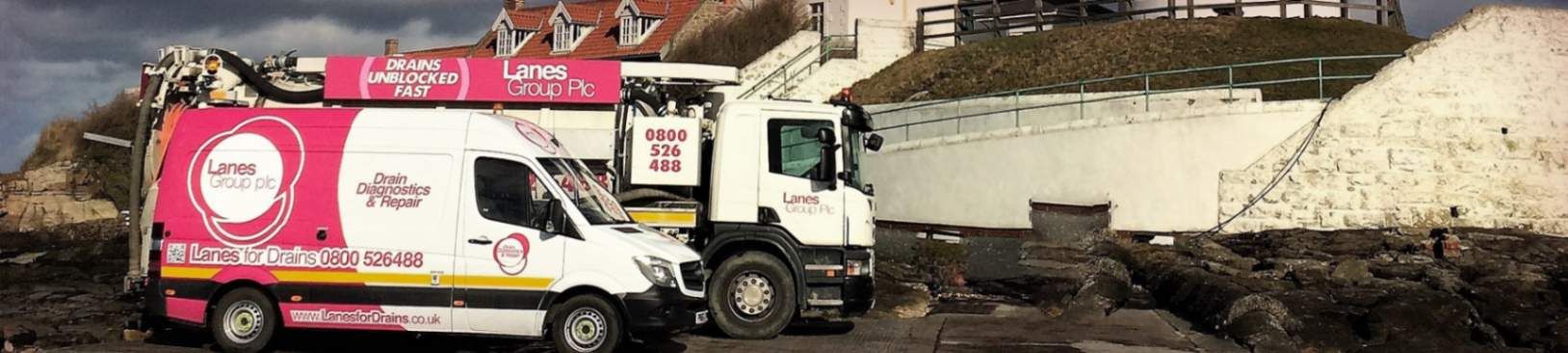
Have you ever wondered what keeps a large, dynamic operation like Lanes Group running smoothly? You’ve probably seen our pink (or if you want to be specific, Rubine red) vans out on the road, or maybe even spotted our drainage teams in action using the latest technology to tackle everything from blockages to drainage surveys.
29 Apr 2025, 15:53
The world of work has seen plenty of change in recent years, with technology playing a bigger role than ever in how industries grow and adapt. While some sectors have faced challenges, many others are finding new opportunities and evolving to meet fresh demand. As we look ahead, there’s reason to feel optimistic. Businesses are becoming more agile, jobseekers are gaining new skills, and emerging trends suggest positive movement in several key areas of the job market. So, what might 2025 bring - and how can candidates prepare?
29 Apr 2025, 15:53
A good work-life balance means having the freedom and support to manage both your job and your personal life in a way that makes sense. It’s about being productive without sacrificing health, time with family, or the ability to fully disconnect outside of work hours.
21 Mar 2025, 09:22
In the past, the idea of a 'job for life' saw people staying with the same company for decades, or even their whole working life. These days, the trend is for increased job mobility. It's not uncommon for people to move employers every 3-5 years - with one study suggesting three in 10 UK employees change employers every year. Factors such as technological advancements, economic shifts and changing workplace expectations mean that the traditional idea of ‘job security’ has changed.
20 Mar 2025, 10:11
Artificial intelligence (AI) is already changing how we work. Chatbots are answering customer service questions. Self-checkouts are a familiar sight in supermarkets. Apps now exist that can generate entire reports in seconds. There’s no escaping the fact that AI is becoming more common in workplaces everywhere.
18 Mar 2025, 14:49
The HGV driver shortage has been a long-standing issue for the logistics sector, affecting supply chains, transport services and haulage businesses across the UK. At its worst, in 2021, the country faced a shortage of HGV drivers estimated at around 100,000, causing empty supermarket shelves, fuel shortages and widespread disruption.
18 Mar 2025, 14:48
These days it's not unusual for a job post to get dozens - even hundreds - of applications. It's a competitive market for sure, but there are plenty of things you can do to make yourself stand out.
7 Mar 2025, 13:17
The engineering sector is a cornerstone of the United Kingdom's economy, with around 729,000 engineering businesses employing approximately 6.3 million individuals, which is around 19% of the nation's workforce. Forecasts suggest that these numbers are only going to grow - with demand for engineering expertise increasing across all regions of the UK by 2030.
Archives
We provide all of our valued employees with a range of rewards and benefits, including training opportunities, health schemes, pension options and childcare support.
At Lanes, we deliver industry-leading training courses and programmes to help our staff do the best job they can, while developing their skills over the span of their careers.
We offer a diverse range of roles and opportunities in locations across the UK, and applying for them is as easy as filling out our online application form.
If you still have questions about our application, induction and onboarding processes, check out our FAQs page for additional information.
Working at Lanes can be rewarding and fulfilling, but you don’t have to take our word for it - we’ve asked some our staff to share their stories of what it’s really like to work here.
Our Offices, Divisions & Depots
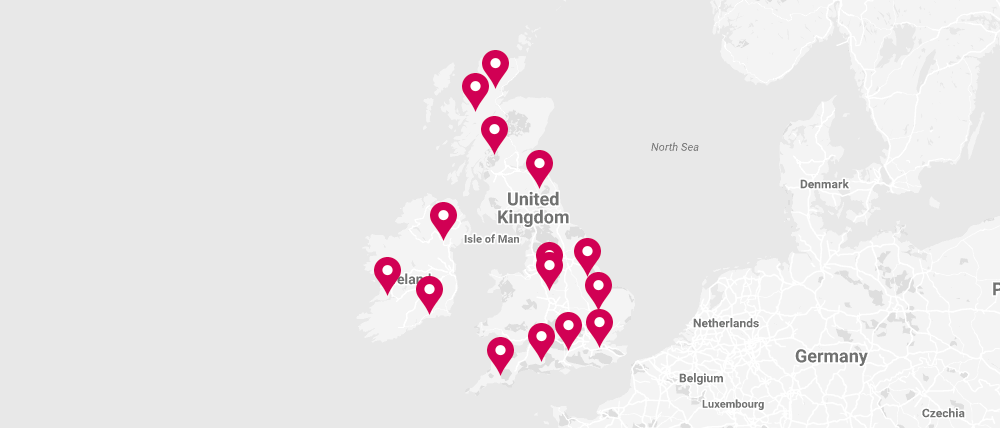

Lanes Group Ltd,
17 Parkside Lane, Parkside Industrial Estate, Leeds, LS11 5TD
Lanes Group ltd
Customer Solutions Centre
9 Cambridge Avenue
Slough
SL1 4AY
Our News Feeds
Andy’s jobs journey reaches fulfilment down in the sewers
Andy led the Lanes emergency team, working on behalf of Thames Water, that first responded to the discovery of the Islington concreteberg.
Why Lanes Group - and the drainage sector - is perfect for those looking for a new career
Find out more about what makes the drainage sector such an attractive proposition for those looking for a change in career.
Where to start when making a career change
Let us help you understand your options when it comes to changing careers
How to successfully apply for a role as a Lanes Group CCTV engineer
Find out more about what we're looking for in our CCTV engineers, and how to maximise your chances of securing a role with Lanes Group.
What it’s actually like to work in the drainage industry
In this article, we look at the many great things about working in the sector and show you what it’s really like to have a career in this growing sector, while busting a fair few myths in the process.
Vicky has perfect role keeping online sales flowing
Personality, determination and a very good understanding of the drainage industry – all qualities that Vicky Smith puts to excellent use as an online sales executive at Lanes Group plc.