
If you have applied for a drainage engineer job, the interview is your chance to show more than what is written on your CV.
At Lanes Group, our interviewers want to see the person behind the CV too. We want to understand how you solve problems and approach practical tasks. We also want to see that you understand the importance of safety, teamwork and good customer service.
Whether you have experience in drainage, construction or groundworks, or you're looking to move into this sector, careful preparation for the interview will help you to feel more confident.
This guide explains what to expect at a drainage engineer interview, the kind of questions you may be asked and how to prepare your answers. You can also explore current drainage engineer and drainage assistant jobs at Lanes Group if you are still looking for the right role.
First, What Kind of Interview Is This?
The phrase “drainage engineer” can mean different things.
Some drainage engineering interviews are for civil engineering or design-led roles. These may involve drainage design, modelling software, environmental regulations, flood prevention, sustainable drainage systems, civil engineering projects and project management.
A practical drainage engineer interview at Lanes Group is different.
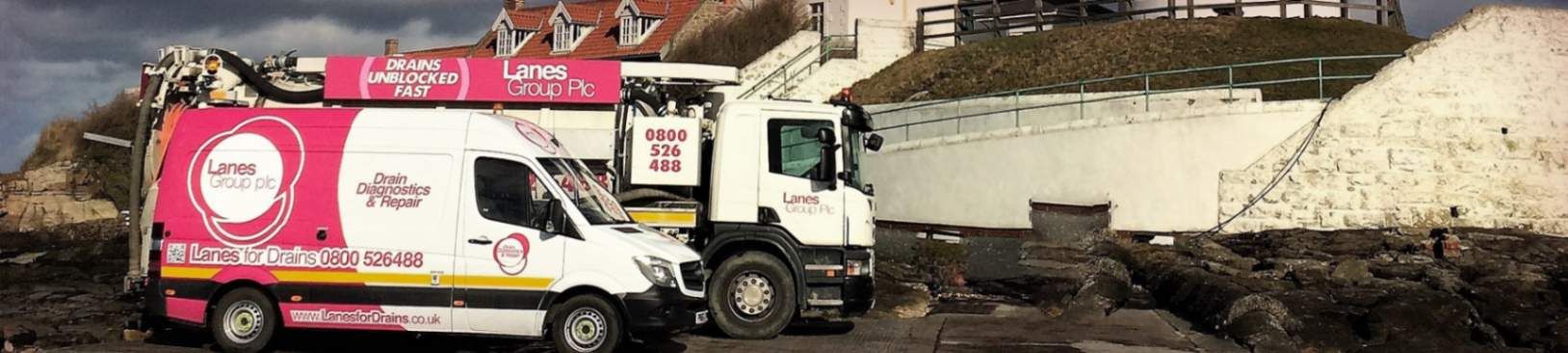
Lanes’ drainage roles are focused on site-based work. This includes clearing blockages, using high-pressure water jetting equipment, cleaning drains, carrying out repairs, supporting customers and working safely with colleagues.
That means the interview will focus on your reliability, safety awareness, practical skills, communication and willingness to learn. You do not need to walk into the interview feeling you should be an expert in drainage design. What we do want to see, however, is how practical and responsible you are, alongside your readiness to build the new skills the role needs.
What Is Lanes Group Looking For?
The work of our drainage engineers involves attending different sites, dealing with customers, using equipment safely and working as part of a team. Some jobs may be planned. Others may be urgent. Customers may be dealing with blocked drains, flooding, disruption or other stressful problems.
Because of this, Lanes wants to know what kind of person you are at work, and how you react in these situations.
We are looking for someone who is reliable, practical and calm under pressure. We want to see that you can follow safety instructions, communicate clearly and treat customers with respect. We will also want to know that you are willing to learn, especially if you do not already have drainage experience.
Common Drainage Engineer Interview Questions
A drainage engineer interview at Lanes will include questions about your experience, attitude and how you would handle real situations at work. You may be asked questions such as:
-
Why do you want to work as a drainage engineer?
-
What interests you about working for Lanes Group?
-
What practical or hands-on experience do you have?
-
Can you describe a time you solved a problem at work?
-
How would you deal with a customer who is stressed about a drainage issue?
-
What does working safely mean to you?
-
How do you handle early starts, outdoor work or changing job priorities?
-
Can you work well as part of a two-person team?
-
What would you do if you were unsure how to use a piece of equipment?
-
Are you willing to complete training and build new skills?
These questions are not there to catch you out. They help the interviewer understand how you think, how you communicate and how you might respond when the job becomes challenging.
The best answers are usually clear and honest. When answering, try to give real examples from previous jobs, training or life experience. If you have not worked in drainage before, use examples from other roles where you had to be reliable, safe, practical or helpful to customers.
How to Answer Questions About Practical Experience
If you already have drainage experience, talk about the kind of work you have done. You might mention drain cleaning, high-pressure water jetting, CCTV inspections, site work, tools, equipment, customer visits or working as part of a drainage team.
If you do not have drainage experience, do not panic.
Many useful skills can come from other roles. A driving job may have taught you timekeeping, responsibility and customer contact. Construction or groundworks may have given you site awareness and experience working outdoors. Warehouse, maintenance or facilities work may have helped you use tools, follow processes and solve practical problems.
The key is to connect your experience to the role.
For example, instead of saying only that you have worked in construction, explain what that taught you. You might say that you are used to working outdoors, following health and safety rules, using equipment correctly and working with other people to complete a job.
If you have worked in customer service, explain how that could help on site. A drainage engineer may need to speak to customers who are frustrated or worried. Being able to stay calm and explain what is happening can make a real difference in a stressful situation.
You can also read Lanes’ guide to what it is actually like to work in the drainage industry if you want more background before your interview.
How to Answer Safety Questions
Safety is one of the most important parts of a drainage engineer job.
Drainage work can involve high-pressure water jetting equipment, vehicles, tools, confined spaces, public areas, commercial sites and changing conditions. Even if you are still learning the technical side of the job, you need to show that you take safety seriously.
A strong answer to a safety question does not need to be complicated. You can explain that you would follow procedures, wear the right protective equipment, check your surroundings and ask for guidance if you were unsure.
In a practical role, guessing can be dangerous. Interviewers will usually respect a candidate who understands their limits and knows when to ask for help.
You could say something like:
“I would always follow the training and site procedures. If I was unsure how to use equipment or thought something was unsafe, I would stop and ask a supervisor or experienced colleague before continuing.”
This shows that you are careful, honest and willing to learn.
Lanes Group supports employees through training and development, so you do not need to know everything on day one. However, you do need to show that you are the kind of person who can be trained to work safely.
How to Talk About Problem-Solving
Drainage engineer interview questions may test how you solve practical problems.
This does not mean you need to give a complex technical answer. The interviewer may simply want to know how you think when something does not go to plan.
A good answer usually explains the situation, what you did and what happened next. Keep it simple. Choose an example where you stayed calm, understood the task, used the resources available and worked towards a practical solution.
You might talk about a time when equipment failed, a delivery was delayed, a customer had a problem or a job had to be completed under pressure. The example does not need to be from drainage if you are new to the sector.
What matters is the behaviour behind the answer.
Show that you can identify the issue, think clearly, communicate with other people and take responsibility. If the example involved health and safety, even better.
Avoid overcomplicating your answer. A drainage engineer often needs practical judgement, not a textbook response.
How to Talk About Customer Service
Customer service may not be the first thing you think about when preparing for a drainage job interview. But it matters.
A drainage engineer is often meeting people when something has gone wrong. A blocked drain, flooding or a drainage fault can disrupt a home or business. Customers may be stressed, embarrassed or worried about the cost and impact of the problem.
Lanes needs engineers who can handle those situations professionally.
In your interview, be ready to explain how you speak to customers, handle pressure and keep people informed. If you have worked in retail, hospitality, delivery, sales, facilities or any customer-facing role, that experience is great for demonstrating your ability to make customers feel valued and at ease.
You might explain how you would listen to the customer, stay calm, explain what you can and avoid making promises before the issue has been assessed. This helps show that you understand the role is not just about drains and equipment. It is also about people.
How to Prepare For a Drainage Engineer Interview
Good preparation can make the interview feel much less daunting.
Start by reading the job advert carefully. Look at the duties, working hours, location, licence requirements and any experience or training mentioned. Make sure you understand what the role involves before the interview starts.
Then spend some time learning about Lanes Group. Look at the careers site, the role pages and the staff stories. This can help you explain why you want to work for Lanes, not just why you want any drainage job.
It is also worth preparing a few examples from your own experience. Think about times when you worked safely, solved a problem, helped a customer, worked in a team or learned something new.
You do not need to memorise long answers. In fact, that can make you sound less natural. But you should know which examples you want to use.
Lanes has a helpful page on the application process, which can help you understand what happens when you apply. You can also read the guide on what to expect at a Lanes Group job interview.
For a real example of someone working in the role, James Lewis’ drainage engineer staff story is also worth reading. His story shows the variety, customer contact and job satisfaction that comes with drainage work at Lanes.
What Should You Ask the Interviewer?
An interview is a two way conversation, and your chance to understand whether the role is right for you. You could ask:
-
What training is available for new drainage engineers?
-
What does a typical day look like in this depot?
-
How are new starters supported?
-
What equipment will I be trained to use?
-
How does the team manage emergency call-outs or weekend work?
-
What does progression look like in this role?
Good questions show that you are thinking seriously about the job. They also help you understand the practical details before you accept a role.
Try to avoid asking only about pay, holidays or benefits. Those things matter, but the interview is also your chance to show interest in the work, the team and the training.
What If You Do Not Have Drainage Experience?
If you do not have drainage experience, be honest about it.
Do not try to bluff your way through technical answers. It is better to say that you are new to the industry, but that you are practical, reliable and ready to learn.
Many people come into drainage from other sectors. What matters is how you present your existing skills.
If you have worked outdoors, talk about that. If you have used tools, followed safety rules or worked around vehicles, mention it. If you have customer service experience, explain how it helps you stay calm and professional. If you have worked in a team, talk about how you supported colleagues and took responsibility.
You can also explain why the role appeals to you. You might want a practical job, a reliable career, training, variety or a move into an essential industry.
A simple, honest answer is often stronger than an over-rehearsed one.
For example:
“I have not worked in drainage before, but I have worked in practical roles where safety, teamwork and reliability mattered. I am used to working outdoors and dealing with customers. I am keen to learn the drainage side of the job and build a long-term career.”
That kind of answer shows confidence without pretending.
Common Mistakes to Avoid
One common mistake is turning up without reading the role properly. Our drainage engineer jobs involve practical work, outdoor conditions, customer contact, early starts, equipment and safety procedures. If you have not looked at the job advert, it can show.
Another mistake is giving vague answers. If you say you are reliable, give an example. If you say you are good with customers, explain a time when you helped someone. If you say you work well in a team, describe what that looked like.
It is also important not to overclaim. If you have not used high-pressure water jetting equipment before, do not say that you have. Interviewers are more likely to value honesty and willingness to train than a claim that does not hold up.
Do not forget safety. A strong candidate understands that drainage work needs care, attention and proper procedures. If your answers ignore safety, you may miss one of the most important parts of the role.
Finally, avoid treating the job as “just manual work”. Drainage engineers solve problems, support customers, use specialist equipment and help keep essential systems working. Showing respect for the role will help you come across well.
How Lanes Supports People After the Interview
If you are offered a role, the interview is only the start of your development.
Lanes Group offers practical careers across drainage, wastewater, engineering, driving and support roles. New starters may receive training, guidance, equipment and support to help them understand the job and work safely.
For drainage engineers, this can mean learning how to use equipment, how to follow procedures, how to deal with customers and how to work as part of a team on different sites.
There may also be opportunities to keep developing. Some people build confidence in drainage work and move into more senior or specialist roles. Others may explore related areas such as jetting, CCTV drainage surveying, tanker work or other practical drainage jobs.
If you want to understand more about Lanes as an employer, you can visit the working for Lanes Group section of the careers site.
Start Preparing for Your Drainage Engineer Interview
A drainage engineer interview is your chance to show that you are practical, reliable and ready to learn.
You do not need to know everything on day one. What matters is showing that you can work safely, support customers, solve problems and build your skills with the right training.
Before the interview, read the job advert, prepare a few examples and think about why this role interests you. If you can show that you understand the work and are serious about building a career at Lanes, you will give yourself a stronger chance.
Explore current drainage engineer and drainage assistant jobs at Lanes Group, or search our drainage jobs to find your next opportunity.

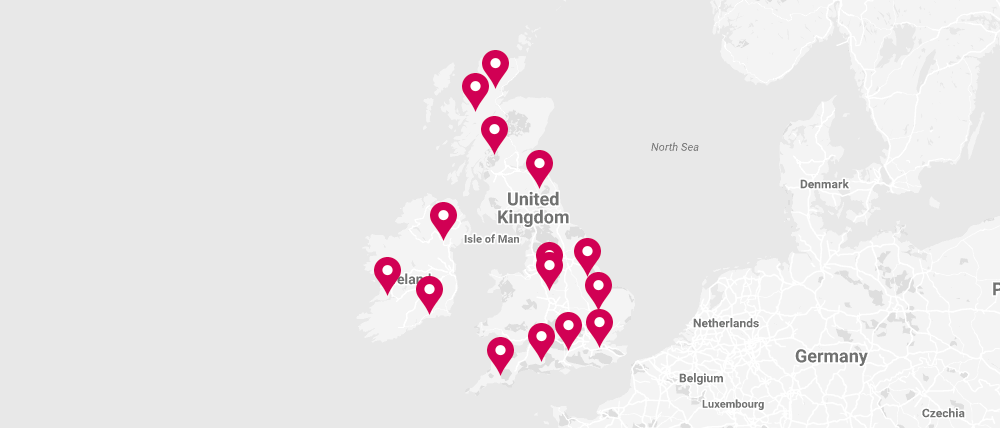
Our Offices, Divisions & Depots

Lanes Group Ltd,
17 Parkside Lane, Parkside Industrial Estate, Leeds, LS11 5TD
Lanes Group ltd
Customer Solutions Centre
9 Cambridge Avenue
Slough
SL1 4AY
Our News Feeds
Andy’s jobs journey reaches fulfilment down in the sewers
Andy led the Lanes emergency team, working on behalf of Thames Water, that first responded to the discovery of the Islington concreteberg.
Why Lanes Group - and the drainage sector - is perfect for those looking for a new career
Find out more about what makes the drainage sector such an attractive proposition for those looking for a change in career.
Where to start when making a career change
Let us help you understand your options when it comes to changing careers
How to successfully apply for a role as a Lanes Group CCTV engineer
Find out more about what we're looking for in our CCTV engineers, and how to maximise your chances of securing a role with Lanes Group.
What it’s actually like to work in the drainage industry
In this article, we look at the many great things about working in the sector and show you what it’s really like to have a career in this growing sector, while busting a fair few myths in the process.
Vicky has perfect role keeping online sales flowing
Personality, determination and a very good understanding of the drainage industry – all qualities that Vicky Smith puts to excellent use as an online sales executive at Lanes Group plc.