
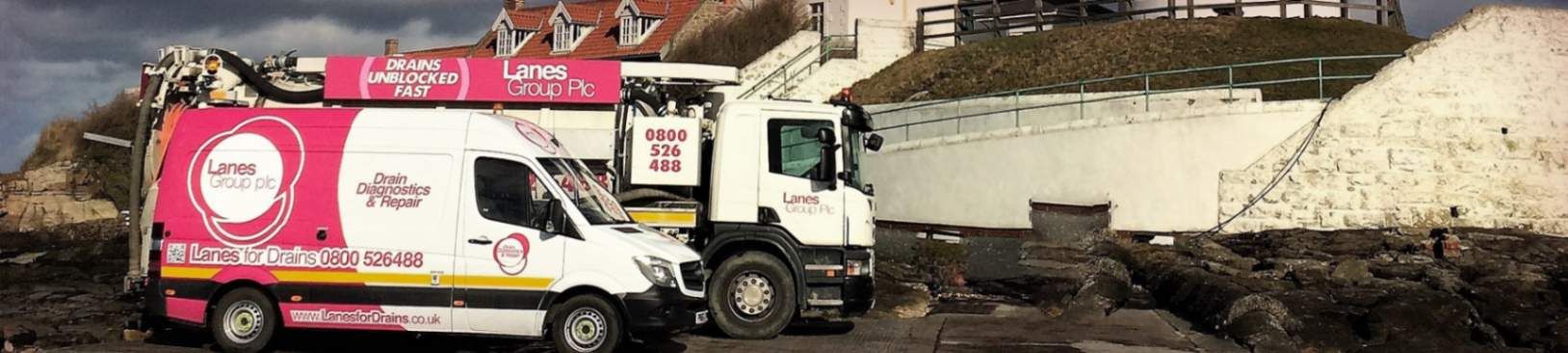
If you are ready for a new challenge, a jet vac operator role offers a practical route into a career with variety, training and room to grow.
It's a strong next step for anyone with experience in driving, construction, delivery, warehousing, groundworks or another hands-on role. It's also perfect for those who are looking for a secure role in a stable industry.
Even better, you do not need previous drainage experience to become a jet vac operator. It won't hurt, but many employers also look for the right attitude, a responsible driving record, practical skills and a willingness to learn.
At Lanes Group, our jet vac operators use cutting edge high-pressure water jet vacuum equipment to clear blockages and support drainage work for domestic and commercial clients. Read on to discover how you can move into this role, even without previous industry experience. You can also explore current jet vac operator jobs at Lanes Group to see what roles are available in your area.
What Does a Jet Vac Operator Do?
A jet vac operator role combines driving, equipment operation, site work, safety awareness and customer service. You may drive drainage tankers or jet vac tankers to different sites, then operate the jet vac unit as part of the job.
A jet vac unit uses high-pressure water jetting to break up blockages. It also uses vacuum power to remove water, debris, sludge and other material from drains, sewers and waterways.
Our jet vac team take on duties like:
-
Driving a jet vac unit to domestic, commercial or public sites.
-
Operating the high-pressure water jetting equipment.
-
Using vacuum tankers to remove debris and waste.
-
Identifying and removing blockages from drains and pipes.
-
Carrying out reactive emergency works.
-
Working closely with a colleague as part of a two-person team.
-
Taking care of the health and safety for themselves and those around them.
-
Checking that vehicles and equipment are in good working order.
-
Speaking to customers and explaining what is happening on site.
This is why jet vac work can appeal to people who want something more varied than a standard HGV driving job. You are still using your driving skills, but you are also operating specialist drainage equipment and solving practical problems.
You can also read more about wider driver jobs at Lanes Group, including roles that combine driving with hands-on drainage work.
Do You Need Drainage Experience to Become a Jet Vac Operator?
Not necessarily.
Previous experience with jetting and vacuuming units is an advantage, sure. If you have already worked in the drainage industry, utilities, tankering or site work, that knowledge may help you settle into the role more quickly.
However, you don't need this experience, and at Lanes, we offer ongoing training to get you up to speed before you step into the role itself. Just as important is your attitude to doing a job well, and willingness to learn.
However, there are a few non-negotiables you should consider before applying for this role. You need:
-
A full UK driving licence.
-
A clean and responsible driving record.
-
A Certificate of Professional Competence, or CPC.
-
A digital tachograph card, where needed.
-
Good practical skills.
-
A safety-first approach.
-
The ability to work as part of a team.
-
The physical stamina to work outdoors and carry out manual tasks.
For many people, the main question is not “Have I done this exact job before?” It is “Can I learn the equipment, work safely and handle a practical role?”
If the answer is yes, and you have your HGV licence, jet vac work can be a route into a growing and secure industry.
What Experience Can Help You Get Started?
You do not need to come from a drainage background to have useful skills.
Many people move into drainage from other hands-on or driving roles, such as:
-
HGV driving.
-
Van driving or delivery work.
-
Construction.
-
Groundworks.
-
Waste management.
-
Plant or machinery operation.
-
Utilities work.
-
Manual labour.
-
Customer-facing field work.
-
Reactive maintenance.
-
Emergency response work.
These roles can build habits that are useful for jet vac work. You may already be used to working outdoors, travelling to different sites, handling equipment or speaking to customers.
A good jet vac operator also needs to stay calm when the job is urgent. Drainage issues can be stressful for customers, especially when there is flooding, a blocked drain or a disruption to a business. You will need to be able to reassure customers at times, and support colleagues on larger projects.
If you want to understand more about the wider sector, Lanes has a guide on what it is actually like to work in the drainage industry.
What Qualifications Do Jet Vac Operators Need?
The qualifications for a jet vac operator role can vary by employer, vehicle type and site requirements.
Some roles may need a clean Class 2 HGV driving licence. This is also known as Category C. You may also need a CPC if you are driving professionally, as well as a digital tachograph card.
When you begin your role, our in-house team will give you full training in in-demand skills that are transferable across the wider section:
-
High-pressure water jetting certification.
-
CSCS card for site work.
-
Confined spaces training.
-
Health and safety training.
-
PPE training.
-
First aid training, depending on the role.
-
Professional competence for driving and vehicle operation.
If you're interested in getting into this sector, we have a useful guide to qualifications that can help you build a drainage career, including high-pressure water jetting certification. You can also read more about drainage engineer qualifications if you are thinking about longer-term career development.
What Is the Job Like Day to Day?
Jet vac work is active and varied.
You may start the day by checking the vehicle, equipment and job details. You may then travel to different sites, depending on the work that has been booked in or any reactive emergency works that come through.
On site, you may need to assess the drainage issue, set up the equipment, use high-pressure water to clear a blockage and vacuum material away safely. You may also need to speak to customers, explain the work and keep colleagues updated.
Some jet vac operators work on an on-call rota for emergencies. Flexibility can be important because drainage problems do not always happen during standard working hours.
This does not mean the job is flexible in the lifestyle sense. It means the role may involve varied hours, overtime, call-outs or bank holiday work depending on the vacancy and shift pattern. This also means there's plenty of scope in this role to earn much more than your standard salary.
Is Jet Vac Work a Good Career for Someone Who Wants Something Practical?
Jet vac work is a great fit if you want a job that keeps you active.
It is not a desk-based role. It is not only a driving role either. You are travelling to sites, using equipment, working with colleagues and helping customers deal with real drainage problems.
It suits those who:
-
Prefer practical work.
-
Like being out on different sites.
-
Want to use driving skills in a more varied role.
-
Are comfortable working outdoors.
-
Can follow safety rules carefully.
-
Want to learn specialist equipment.
-
Work well with colleagues.
-
Can stay calm in urgent situations.
-
Want a route into the drainage industry.
There is also a sense of purpose in this kind of work. Drainage and wastewater services are essential. When a blockage or drainage issue affects a home, business or public area, jet vac operators play a direct role in getting things moving again.
For someone looking for a new or interesting career, a jet vac operator is often the person everyone looks to when they need their homes and businesses to be operational again. Many of our team report a genuine sense of pride when attending call outs.
Discover more about our wider employee experience on our working for Lanes Group page.
What Can You Earn as a Jet Vac Operator?
Jet vac operator pay can vary by employer, location, experience, licences, shift pattern and overtime.
As a guide, jet vac operators may earn around £16.25 to £17.50 per hour. Many of our roles also offer overtime potential, emergency call-out payments or extra earnings depending on the work pattern.
Full-time roles may include benefits such as:
-
Paid annual leave.
-
A workplace pension.
-
Access to a company-wide health scheme.
-
Overtime opportunities.
-
Bank holiday arrangements, depending on the role.
-
Full uniform, where provided.
Always check the specific job advert before applying. Pay, hours and benefits can change between vacancies.
You can search current drainage jobs at Lanes Group to see the latest opportunities.
How Can You Progress From a Jet Vac Operator Role?
A jet vac operator role can be a way to start building a longer-term career in drainage.
Once you have experience, you may be able to develop into more senior or specialist roles. This can depend on your training, licences, performance and the opportunities available.
Possible next steps may include:
-
Senior jet vac operator.
-
HGV jet vac operator.
-
Drainage engineer.
-
Jetting engineer.
-
Tanker driver.
-
CCTV drainage surveying team roles.
-
Supervisor roles.
-
Other specialist drainage industry jobs.
This is where training and practical experience can make a difference. The more confident you become with equipment, safety procedures, customer service and site work, the more options you may have.
If you want to compare related roles, you can explore jetting engineer and jetting assistant jobs. You can also read Lanes’ guide to what a drainage engineer does.
How to Apply for a Jet Vac Operator Job With No Drainage Experience
If you want to apply for a jet vac operator role without previous drainage experience, start by checking the job advert carefully.
Look at the essential requirements first. These usually include a driving licence, HGV Class 2, CPC, CSCS card or other role-specific qualifications.
Then think about how your existing experience can help.
You could highlight:
-
Driving experience.
-
A safe driving record.
-
Experience working outdoors.
-
Manual work.
-
Customer service.
-
Machinery or equipment experience.
-
Site work.
-
Reliability.
-
Teamwork.
-
Willingness to complete training.
-
Ability to follow safety procedures.
Be honest about what you have not done before. Employers do not expect every candidate to know everything on day one, especially where full training is available.
What matters is showing that you are responsible, practical and ready to learn.
Lanes Group’s application process is completed online. You can also read the step-by-step guide on how to apply for a job at Lanes Group before you start.
Start Your Career in Drainage With Lanes Group
You do not always need previous drainage experience to become a jet vac operator.
For the right candidate, this can be a practical way into the drainage industry. It can suit people with driving experience, manual skills, customer service experience or the confidence to work outdoors with specialist equipment.
The role can be demanding. It can involve varied hours, emergency call-outs, safety rules and physical work. But it can also offer variety, training and career development opportunities.
If you are looking for a full-time position with practical work, training and a route into an essential industry, explore current jet vac operator jobs at Lanes Group or search our drainage jobs to see what roles are available near you.
If you are ready for a new challenge, a jet vac operator role offers a practical route into a career with variety, training and room to grow.
It's a strong next step for anyone with experience in driving, construction, delivery, warehousing, groundworks or another hands-on role. It's also perfect for those who are looking for a secure role in a stable industry.
Even better, you do not need previous drainage experience to become a jet vac operator. It won't hurt, but many employers also look for the right attitude, a responsible driving record, practical skills and a willingness to learn.
At Lanes Group, our jet vac operators use cutting edge high-pressure water jet vacuum equipment to clear blockages and support drainage work for domestic and commercial clients. Read on to discover how you can move into this role, even without previous industry experience. You can also explore current jet vac operator jobs at Lanes Group to see what roles are available in your area.
What Does a Jet Vac Operator Do?
A jet vac operator role combines driving, equipment operation, site work, safety awareness and customer service. You may drive drainage tankers or jet vac tankers to different sites, then operate the jet vac unit as part of the job.
A jet vac unit uses high-pressure water jetting to break up blockages. It also uses vacuum power to remove water, debris, sludge and other material from drains, sewers and waterways.
Our jet vac team take on duties like:
-
Driving a jet vac unit to domestic, commercial or public sites.
-
Operating the high-pressure water jetting equipment.
-
Using vacuum tankers to remove debris and waste.
-
Identifying and removing blockages from drains and pipes.
-
Carrying out reactive emergency works.
-
Working closely with a colleague as part of a two-person team.
-
Taking care of the health and safety for themselves and those around them.
-
Checking that vehicles and equipment are in good working order.
-
Speaking to customers and explaining what is happening on site.
This is why jet vac work can appeal to people who want something more varied than a standard HGV driving job. You are still using your driving skills, but you are also operating specialist drainage equipment and solving practical problems.
You can also read more about wider driver jobs at Lanes Group, including roles that combine driving with hands-on drainage work.
Do You Need Drainage Experience to Become a Jet Vac Operator?
Not necessarily.
Previous experience with jetting and vacuuming units is an advantage, sure. If you have already worked in the drainage industry, utilities, tankering or site work, that knowledge may help you settle into the role more quickly.
However, you don't need this experience, and at Lanes, we offer ongoing training to get you up to speed before you step into the role itself. Just as important is your attitude to doing a job well, and willingness to learn.
However, there are a few non-negotiables you should consider before applying for this role. You need:
-
A full UK driving licence.
-
A clean and responsible driving record.
-
A Certificate of Professional Competence, or CPC.
-
A digital tachograph card, where needed.
-
Good practical skills.
-
A safety-first approach.
-
The ability to work as part of a team.
-
The physical stamina to work outdoors and carry out manual tasks.
For many people, the main question is not “Have I done this exact job before?” It is “Can I learn the equipment, work safely and handle a practical role?”
If the answer is yes, and you have your HGV licence, jet vac work can be a route into a growing and secure industry.
What Experience Can Help You Get Started?
You do not need to come from a drainage background to have useful skills.
Many people move into drainage from other hands-on or driving roles, such as:
-
HGV driving.
-
Van driving or delivery work.
-
Construction.
-
Groundworks.
-
Waste management.
-
Plant or machinery operation.
-
Utilities work.
-
Manual labour.
-
Customer-facing field work.
-
Reactive maintenance.
-
Emergency response work.
These roles can build habits that are useful for jet vac work. You may already be used to working outdoors, travelling to different sites, handling equipment or speaking to customers.
A good jet vac operator also needs to stay calm when the job is urgent. Drainage issues can be stressful for customers, especially when there is flooding, a blocked drain or a disruption to a business. You will need to be able to reassure customers at times, and support colleagues on larger projects.
If you want to understand more about the wider sector, Lanes has a guide on what it is actually like to work in the drainage industry.
What Qualifications Do Jet Vac Operators Need?
The qualifications for a jet vac operator role can vary by employer, vehicle type and site requirements.
Some roles may need a clean Class 2 HGV driving licence. This is also known as Category C. You may also need a CPC if you are driving professionally, as well as a digital tachograph card.
When you begin your role, our in-house team will give you full training in in-demand skills that are transferable across the wider section:
-
High-pressure water jetting certification.
-
CSCS card for site work.
-
Confined spaces training.
-
Health and safety training.
-
PPE training.
-
First aid training, depending on the role.
-
Professional competence for driving and vehicle operation.
If you're interested in getting into this sector, we have a useful guide to qualifications that can help you build a drainage career, including high-pressure water jetting certification. You can also read more about drainage engineer qualifications if you are thinking about longer-term career development.
What Is the Job Like Day to Day?
Jet vac work is active and varied.
You may start the day by checking the vehicle, equipment and job details. You may then travel to different sites, depending on the work that has been booked in or any reactive emergency works that come through.
On site, you may need to assess the drainage issue, set up the equipment, use high-pressure water to clear a blockage and vacuum material away safely. You may also need to speak to customers, explain the work and keep colleagues updated.
Some jet vac operators work on an on-call rota for emergencies. Flexibility can be important because drainage problems do not always happen during standard working hours.
This does not mean the job is flexible in the lifestyle sense. It means the role may involve varied hours, overtime, call-outs or bank holiday work depending on the vacancy and shift pattern. This also means there's plenty of scope in this role to earn much more than your standard salary.
Is Jet Vac Work a Good Career for Someone Who Wants Something Practical?
Jet vac work is a great fit if you want a job that keeps you active.
It is not a desk-based role. It is not only a driving role either. You are travelling to sites, using equipment, working with colleagues and helping customers deal with real drainage problems.
It suits those who:
-
Prefer practical work.
-
Like being out on different sites.
-
Want to use driving skills in a more varied role.
-
Are comfortable working outdoors.
-
Can follow safety rules carefully.
-
Want to learn specialist equipment.
-
Work well with colleagues.
-
Can stay calm in urgent situations.
-
Want a route into the drainage industry.
There is also a sense of purpose in this kind of work. Drainage and wastewater services are essential. When a blockage or drainage issue affects a home, business or public area, jet vac operators play a direct role in getting things moving again.
For someone looking for a new or interesting career, a jet vac operator is often the person everyone looks to when they need their homes and businesses to be operational again. Many of our team report a genuine sense of pride when attending call outs.
Discover more about our wider employee experience on our working for Lanes Group page.
What Can You Earn as a Jet Vac Operator?
Jet vac operator pay can vary by employer, location, experience, licences, shift pattern and overtime.
As a guide, jet vac operators may earn around £16.25 to £17.50 per hour. Many of our roles also offer overtime potential, emergency call-out payments or extra earnings depending on the work pattern.
Full-time roles may include benefits such as:
-
Paid annual leave.
-
A workplace pension.
-
Access to a company-wide health scheme.
-
Overtime opportunities.
-
Bank holiday arrangements, depending on the role.
-
Full uniform, where provided.
Always check the specific job advert before applying. Pay, hours and benefits can change between vacancies.
You can search current drainage jobs at Lanes Group to see the latest opportunities.
How Can You Progress From a Jet Vac Operator Role?
A jet vac operator role can be a way to start building a longer-term career in drainage.
Once you have experience, you may be able to develop into more senior or specialist roles. This can depend on your training, licences, performance and the opportunities available.
Possible next steps may include:
-
Senior jet vac operator.
-
HGV jet vac operator.
-
Drainage engineer.
-
Jetting engineer.
-
Tanker driver.
-
CCTV drainage surveying team roles.
-
Supervisor roles.
-
Other specialist drainage industry jobs.
This is where training and practical experience can make a difference. The more confident you become with equipment, safety procedures, customer service and site work, the more options you may have.
If you want to compare related roles, you can explore jetting engineer and jetting assistant jobs. You can also read Lanes’ guide to what a drainage engineer does.
How to Apply for a Jet Vac Operator Job With No Drainage Experience
If you want to apply for a jet vac operator role without previous drainage experience, start by checking the job advert carefully.
Look at the essential requirements first. These usually include a driving licence, HGV Class 2, CPC, CSCS card or other role-specific qualifications.
Then think about how your existing experience can help.
You could highlight:
-
Driving experience.
-
A safe driving record.
-
Experience working outdoors.
-
Manual work.
-
Customer service.
-
Machinery or equipment experience.
-
Site work.
-
Reliability.
-
Teamwork.
-
Willingness to complete training.
-
Ability to follow safety procedures.
Be honest about what you have not done before. Employers do not expect every candidate to know everything on day one, especially where full training is available.
What matters is showing that you are responsible, practical and ready to learn.
Lanes Group’s application process is completed online. You can also read the step-by-step guide on how to apply for a job at Lanes Group before you start.
Start Your Career in Drainage With Lanes Group
You do not always need previous drainage experience to become a jet vac operator.
For the right candidate, this can be a practical way into the drainage industry. It can suit people with driving experience, manual skills, customer service experience or the confidence to work outdoors with specialist equipment.
The role can be demanding. It can involve varied hours, emergency call-outs, safety rules and physical work. But it can also offer variety, training and career development opportunities.
If you are looking for a full-time position with practical work, training and a route into an essential industry, explore current jet vac operator jobs at Lanes Group or search our drainage jobs to see what roles are available near you.

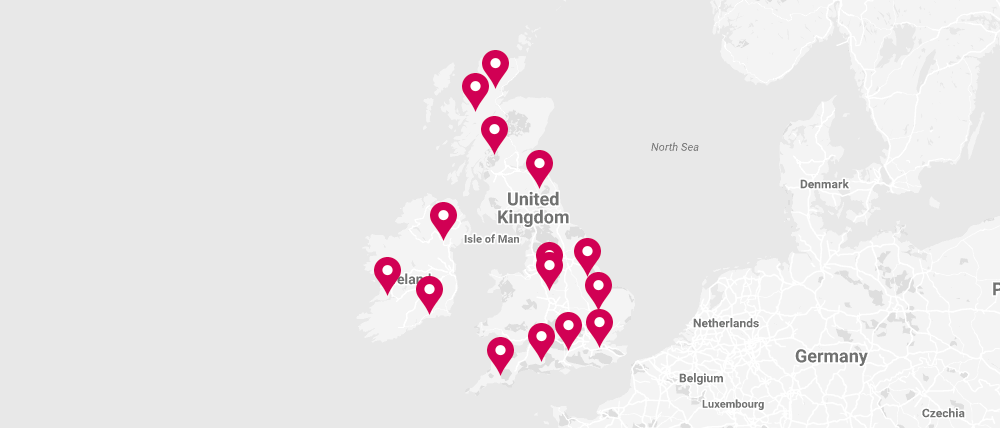
Our Offices, Divisions & Depots

Lanes Group Ltd,
17 Parkside Lane, Parkside Industrial Estate, Leeds, LS11 5TD
Lanes Group ltd
Customer Solutions Centre
9 Cambridge Avenue
Slough
SL1 4AY
Our News Feeds
Andy’s jobs journey reaches fulfilment down in the sewers
Andy led the Lanes emergency team, working on behalf of Thames Water, that first responded to the discovery of the Islington concreteberg.
Why Lanes Group - and the drainage sector - is perfect for those looking for a new career
Find out more about what makes the drainage sector such an attractive proposition for those looking for a change in career.
Where to start when making a career change
Let us help you understand your options when it comes to changing careers
How to successfully apply for a role as a Lanes Group CCTV engineer
Find out more about what we're looking for in our CCTV engineers, and how to maximise your chances of securing a role with Lanes Group.
What it’s actually like to work in the drainage industry
In this article, we look at the many great things about working in the sector and show you what it’s really like to have a career in this growing sector, while busting a fair few myths in the process.
Vicky has perfect role keeping online sales flowing
Personality, determination and a very good understanding of the drainage industry – all qualities that Vicky Smith puts to excellent use as an online sales executive at Lanes Group plc.