
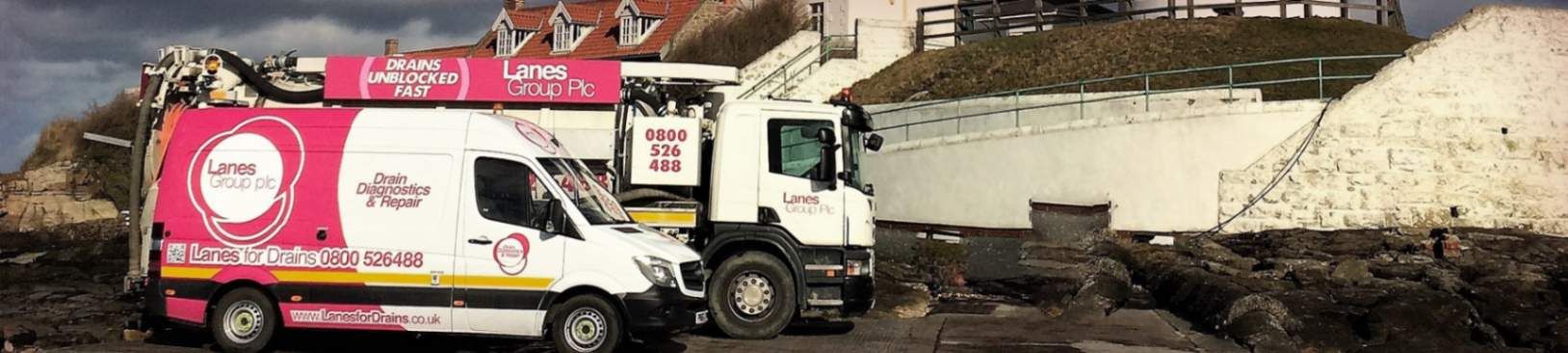
If you want reliable work, practical training and a hands-on career, groundworking is a strong route into construction, drainage and infrastructure.
Groundworkers prepare sites, dig trenches, support excavation works, install drainage systems and keep projects moving safely from the ground up. It is physical work, but it is also skilled work. You need to follow instructions, understand safety, work well with other people and take pride in getting the job done properly.
At Lanes, our groundworkers and excavation teams play an important role in keeping drainage systems working for homes, businesses and communities. If you are looking for outdoor work with purpose, groundworker jobs at Lanes Group are a great place to start - read on to find out more about this rewarding role.
What Does a Groundworker Do?
As a groundworker, you are one of the first people involved in getting a site ready for safe, practical work.
You will prepare the area, make space for excavation and keep the job moving for the wider team. That often means working closely with plant operators, drainage engineers, site supervisors, project managers and other construction professionals.
The work changes from site to site. You might be preparing a trench, working around existing pipework, supporting repairs or making sure the ground is ready for the next stage of the job. At Lanes, groundworkers are part of the team that keeps drainage networks working. You can read more about the role in our guide to what a groundworker does at Lanes.
How to Become a Groundworker in the UK
There are several routes into groundworker jobs in the UK.
You can apply directly if you already have experience in construction, labouring, drainage, utilities, roadworks or outdoor site work. You can start in an entry-level role and build your skills on the job. You can also take a college course, complete vocational training or follow an apprenticeship route.
The right route depends on your background. If you are a school leaver, further education or an apprenticeship can give you a structured start. If you already have construction experience, you may be ready to apply directly. If you have worked in a physical role, such as warehousing, driving, landscaping or general labouring, you may already have useful skills to build on.
What matters most is your attitude. Employers value people who are reliable, physically fit, safety-conscious and willing to learn. If you enjoy outdoor work and want a career where you can see the results of what you do, becoming a groundworker can be a strong move.
Route One: Apply Directly With Site Experience
If you already have experience on a construction site, you have a strong starting point.
Employers value people who understand outdoor work, site safety, manual tasks, teamwork and the need to follow instructions. Experience in labouring, drainage, roadworks, utilities, groundworks or general construction gives you practical skills that transfer well into groundworker jobs.
You do not need to have done the exact same role before to bring value. If you have worked with tools, prepared sites, lifted materials, supported tradespeople, worked around machinery or followed health and safety procedures, you already understand many of the basics.
At Lanes, we look for people who want to work hard, learn and build a future with us. If you have the right experience and attitude, a groundworker or excavation assistant role can help you turn practical site experience into a long-term career.
Route Two: Start as an Excavation Assistant
An excavation assistant role is a strong way to build your career from the ground up.
As an assistant, you work alongside more experienced operatives and learn how drainage excavation work is done properly. You gain hands-on experience with trenches, repairs, reinstatements, pipework and site preparation. You also learn how to work safely around drainage systems, tools, machinery and public areas.
This is a fantastic way to develop because you are learning in a real working team. You see how jobs are planned, how risks are managed and how operatives work together to complete repairs efficiently.
If you want reliable work and a clear route into a skilled role, this is one of the best ways to start. You can learn, gain confidence and progress as your skills grow.
Route Three: Take a College Course or Vocational Training
A college course can give you a solid foundation before you apply for site work.
Courses such as a Level 1 Certificate in Construction Skills or a Level 2 Diploma in Groundworks can introduce you to the construction process, site safety, tools, materials and practical skills employers look for. They can be especially useful if you are a school leaver or career changer who wants to understand the basics before stepping onto site.
Vocational training also helps you show employers that you are serious about the role. It gives you knowledge you can build on once you start gaining hands-on experience.
You do not need to have your whole career mapped out before you start. A construction or groundworks course can give you the first step. From there, you can build experience, gain qualifications and move towards more skilled work.
Route Four: Build Qualifications While You Work
Qualifications help you prove that you can work safely and competently on site.
A CSCS card is one of the most important starting points for many construction roles in the UK. The CSCS Labourer card is a common entry-level option for people starting out in site work. To get one, you usually need to complete the required health and safety training and pass the relevant test.
For excavation operative roles at Lanes, qualifications such as NRSWA and an up-to-date CSCS card are important. Confined spaces and first-aid training can also add value, especially as you take on more responsibility.
You can keep building your qualifications as your experience grows. A relevant NVQ, further health and safety training, plant operation training or specialist drainage experience can all help you progress.
The CITB Health, Safety and Environment Test is also worth understanding if you are planning a route into construction site work. It supports the safety knowledge needed for many site card routes.
What Skills Do Groundworkers Need?
Good groundworkers are practical, reliable and safety-conscious.
You need physical fitness and stamina because the work involves outdoor tasks, digging, lifting, trench work and site preparation. You also need to follow instructions carefully, work well with other people and understand that every task contributes to the wider project.
Problem-solving matters too. Groundwork changes from site to site. Ground conditions, weather, existing pipework and access can all affect the job. You need to stay alert, listen carefully and work with your team to get the task done safely.
You will often work alongside plant operators, drainage engineers, site supervisors, project managers and other construction professionals. That means communication is important. A good groundworker knows when to ask questions, when to follow directions and when to flag a safety issue.
The best groundworkers take pride in being dependable. They turn up, work hard, follow safety procedures and help the team keep moving.
What Can You Earn as a Groundworker?
Groundworker pay depends on your experience, location, employer, qualifications and the type of work you do.
Entry-level groundworkers earn less while they build site experience and confidence. As your skills grow, you can move towards experienced groundworker, senior groundworker, lead operative, team leader or supervisory roles. Those routes usually bring more responsibility and better earning potential.
Training also makes a difference. If you gain extra qualifications, learn how to work safely around drainage systems, build experience with excavation work or move into plant operation, you become more valuable to employers.
At Lanes, we want people to build careers. Alongside pay, you can explore our rewards and benefits at Lanes Group to understand the wider value of working with us.
Where Can Groundworker Experience Take You?
Groundworker experience gives you a solid foundation for a long-term career.
You can start in assistant roles, build confidence on site and move towards excavation operative responsibilities. From there, you can develop into a senior groundworker, lead operative, team leader or site supervisor role.
You can also build towards related careers. Some people move into plant operation, roadworks, drainage, utilities, civil engineering or wider infrastructure work. With further training and experience, there are also routes towards construction management, project coordination or specialist drainage roles.
At Lanes, this experience connects directly to essential drainage work. The more you learn about site safety, pipework, excavation, reinstatement and repair, the more options you have.
You can learn more about training and development at Lanes Group and how we support people who want to build their skills over time.
How to Apply for Groundworker Jobs at Lanes
When you apply for groundworker jobs, make your practical experience easy to understand.
Include any outdoor work, construction site experience, labouring, tools, machinery, driving, drainage work, teamwork and health and safety training. If you have worked on site before, explain what you did, what equipment you used and how you supported the wider team.
You do not need to make your CV complicated. You need to make it clear.
If you want help putting your experience into the right format, download our free manual workers CV template. It is designed to help people show hands-on skills, site experience and work history in a way employers can understand quickly.
You can also read our CV writing guide for manual workers for more advice on presenting your skills clearly.
When you apply to Lanes, we review your skills, qualifications, experience and transferable skills against the role. You can learn more about our application process before you apply.
Start Your Groundworker Career With Lanes Group
Groundworker roles give you a practical route into construction, drainage and infrastructure work.
At Lanes, excavation operatives and assistants help keep drainage systems working, support essential repairs and build skills that lead to long-term careers. You get outdoor work, hands-on experience and the chance to become part of a team that keeps essential services moving.
If you want reliable work, practical training and a clear route into a skilled role, explore groundworker jobs at Lanes Group today.
You can also view current excavation operative and assistant jobs at Lanes Group, or search our latest jobs to find your next opportunity with us.


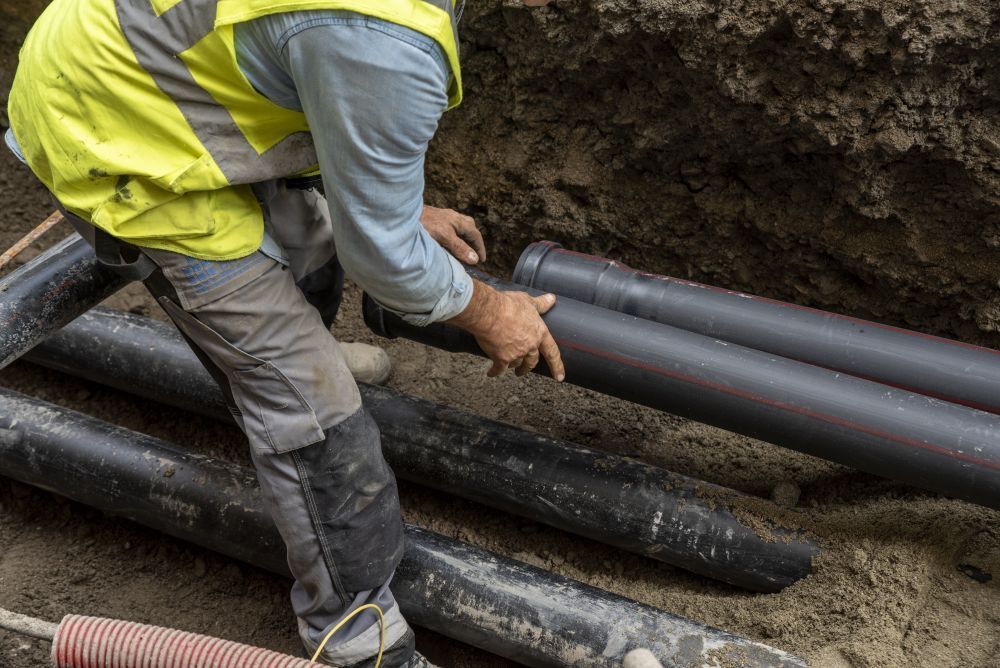
Our Offices, Divisions & Depots

Lanes Group Ltd,
17 Parkside Lane, Parkside Industrial Estate, Leeds, LS11 5TD
Lanes Group ltd
Customer Solutions Centre
9 Cambridge Avenue
Slough
SL1 4AY
Our News Feeds
Andy’s jobs journey reaches fulfilment down in the sewers
Andy led the Lanes emergency team, working on behalf of Thames Water, that first responded to the discovery of the Islington concreteberg.
Why Lanes Group - and the drainage sector - is perfect for those looking for a new career
Find out more about what makes the drainage sector such an attractive proposition for those looking for a change in career.
Where to start when making a career change
Let us help you understand your options when it comes to changing careers
How to successfully apply for a role as a Lanes Group CCTV engineer
Find out more about what we're looking for in our CCTV engineers, and how to maximise your chances of securing a role with Lanes Group.
What it’s actually like to work in the drainage industry
In this article, we look at the many great things about working in the sector and show you what it’s really like to have a career in this growing sector, while busting a fair few myths in the process.
Vicky has perfect role keeping online sales flowing
Personality, determination and a very good understanding of the drainage industry – all qualities that Vicky Smith puts to excellent use as an online sales executive at Lanes Group plc.