
If you are looking at groundworker jobs, pay is one of the first things you want to understand. You want to know what you can earn, how overtime works and how your experience helps you build a better wage over time.
Groundworker salary in the UK changes from role to role. Your pay depends on your experience, qualifications, location, the type of work you do and the employer you work for.
At Lanes, for instance, we offer competitive salaries that scale with experience and seniority, alongside overtime opportunities, benefits and training that help you build a long-term career in groundworks and drainage.
In this blog we discuss the kind of salary you can expect, factors that can boost your earning potential and the kind of groundworker jobs on offer at Lanes Group.
What Is the Average Groundworker Salary in the UK?
There is no single groundworker salary in the UK, because pay changes by employer, location, experience and the type of project.
Indeed lists the average groundworker hourly rate in the UK as £19.76 per hour in 2026, based on a large body of data. The National Careers Service lists construction labourer, construction operative and groundworker salary as £23,000 for starters to £35,000. For those with experience, this can rise to £60,000 over time.
This gives you a starting point, but the role itself, your skills and the full employment package matter just as much as the headline figure. Many groundworkers earn beyond their salary working overtime, and a good employer will offer training opportunities and benefits that make a difference too.
Why Groundworker Pay Varies So Much
A new starter who is learning basic site tasks will not earn the same as an experienced groundworker who can work around drainage systems, support structural work, use specialist construction skills or take responsibility on complex projects.
Location also affects pay. Groundworker wages in London, the South East and other high-demand areas often differ from other parts of the UK. The type of employer makes a difference too. A construction company working on large civil engineering projects may advertise a different rate from a smaller contractor carrying out local external repairs or maintenance works.
The work itself also changes the pay. A role that involves general construction, site preparation and manual tasks will usually sit at a different level from a role that involves drainage repairs, deep drainage, pipework, operating machinery, concrete works or working around occupied residential properties.
That is why you should always read the job description carefully. The salary or hourly rate makes more sense when you understand the responsibilities, location, experience needed and benefits included.
Does Location Affect Groundworker Wages?
Jobs in London, the South East and other high-demand areas often advertise higher rates than some other regions. That is based on local demand, project volume, living costs and the type of construction work available.
Travel can also affect the full package. Some groundworker roles are mobile, covering a local area or several sites. At Lanes, for instance, we have depots all over the UK, and our teams will be involved in regional projects. In those jobs, a full UK driving licence can make you more flexible, and you will get the use of a company van, fuel card and other travel support.
That is why you should not judge a role by the headline salary alone. Look at where the work is, how you will travel, what support is provided and whether the role gives you a realistic route to progress.
What Qualifications Can Increase Your Earning Potential?
Qualifications help you prove that you can work safely and take on more responsibility.
A CSCS card is a common starting point for construction site work. The CSCS Labourer card is often used by people entering site-based roles, while the CITB Health, Safety and Environment Test supports the safety knowledge needed for many site card routes.
As you progress, other qualifications can help increase your earning potential. These can include an NVQ Level 2 in a relevant construction or groundworks subject, NRSWA, CPCS or NPORS tickets for operating plant machinery, confined spaces training, first aid and other health and safety qualifications.
For groundworker and excavation roles, drainage experience is a positive. If you can work safely around drainage systems, support pipework, understand excavation, help with reinstatement and work well with plant operators, you become more valuable to employers.
You can read our guide to what qualifications you need to be a groundworker at Lanes if you want to understand which qualifications support groundworker and excavation routes.
How Experience Affects Groundworker Salary
Experience changes what you can be trusted to do.
When you are new, you may focus on basic tasks such as site clearance, moving materials, digging, keeping work areas clean and supporting more experienced workers. As you gain experience, you start to take on more complex responsibilities.
You may learn how to support drainage repairs, work around existing pipework, prepare sub-surfaces, help with concrete finishing, understand design specifications, operate machinery or support larger construction projects.
That experience affects your wage because it affects your usefulness on site. Employers pay more for people who can work safely, solve problems, follow instructions and help the construction team make progress without delays.
If you already have previous experience in construction, labouring, drainage, maintenance works or external repairs, do not undersell it. Practical experience is part of what helps you move into better-paid groundworker roles.
Employed vs Self-Employed Groundworker Pay
Self-employed groundworker rates can look higher, but the headline figure does not tell the whole story.
When you are self-employed, you often need to manage your own tax, insurance, tools, transport, gaps between contracts and admin. You also need to think about whether you receive paid holiday, pension contributions, training support or other employee benefits.
Employed roles can give you a steadier base. You know who you work for, what support is available and what development routes you can build towards. You also have a clearer employment package to compare alongside salary or hourly rate.
At Lanes, we focus on giving people reliable work and regular training that can give you access to roles with higher salaries. For many jobseekers, that can be a more valuable long term plan than chasing the highest short-term rate.
What Benefits Should You Compare Alongside Pay?
When you compare groundworker jobs, look at more than the wage.
A strong role should give you the backing to do the job well. That means safe working environments, personal protective equipment, proper training, a good team, clear health and safety standards and opportunities to keep improving.
At Lanes, the rewards and benefits we offer also add real value. Paid holiday, workplace pension, health support, overtime opportunities, free parking, fuel card support where relevant and development opportunities make a real difference to your work/life balance and the expenses associated with commuting to sites.
How to Build Towards a Better Groundworker Wage
You build a better groundworker wage by becoming more useful on site.
That starts with the basics. Turn up reliably. Follow instructions. Work safely. Keep learning from experienced people. Take health and safety seriously. Build your confidence with tools, materials, drainage systems and site preparation.
From there, add skills that employers value. Learn about drainage repairs, pipework, excavation, concrete works, reinstatement, plant machinery and working around occupied residential or commercial sites. Gain qualifications where they help you progress.
Over time, look for ways to take on more responsibility. That could mean supporting less experienced workers, leading parts of a job, improving your technical skills or moving towards senior groundworker, lead operative or supervisor routes.
At Lanes, we want people to build careers. You can learn more about training and development at Lanes Group and how we support people who want to grow their skills.
Why Choose a Groundworker Career at Lanes?
At Lanes, groundworker roles give you more than a wage.
You get the chance to work in an essential industry, support drainage systems that homes and businesses rely on, build practical skills and progress with a national employer.
Our groundworkers support excavation, drainage repairs, reinstatements, pipework renewals and other essential works. The work is hands-on, physical and varied. It suits people who want reliable work, outdoor tasks and the satisfaction of helping keep important services moving.
We offer competitive salaries that scale with experience and seniority, alongside overtime opportunities where possible, benefits, training and safe working environments. We also value people who want to learn, work hard and build a future with us.
If you want a career where your effort can turn into skill, responsibility and better earning potential, groundworking at Lanes is a strong route to explore.
Apply for Groundworker Jobs at Lanes
When you compare groundworker salary in the UK, remember to compare the whole role.
Look at the pay, overtime, benefits, training, location, travel, safety standards and progression opportunities. The best role is not always the one with the highest headline rate. It is the one that helps you build a better future.
If you are ready to take the next step, explore current groundworker jobs at Lanes Group or view excavation operative and assistant jobs at Lanes Group.
If you need help preparing your application, download our free manual workers CV template and read more about our application process.
You can also search our latest jobs to find your next opportunity with us.


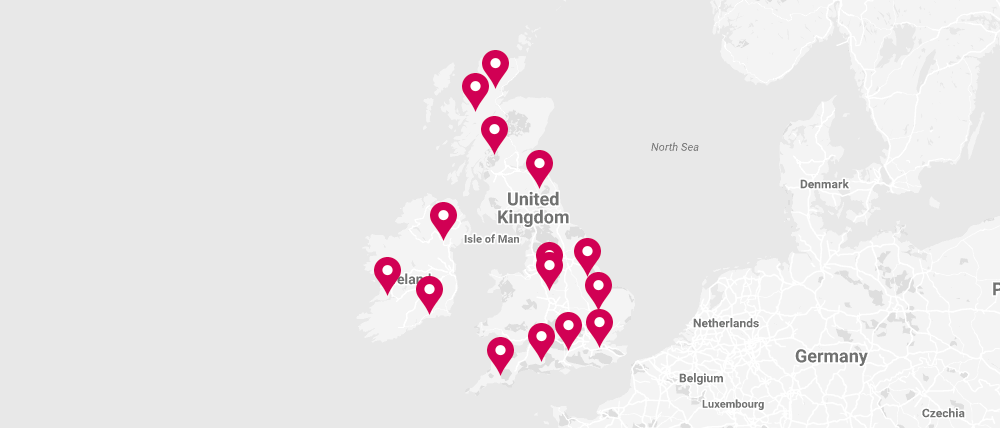
Our Offices, Divisions & Depots

Lanes Group Ltd,
17 Parkside Lane, Parkside Industrial Estate, Leeds, LS11 5TD
Lanes Group ltd
Customer Solutions Centre
9 Cambridge Avenue
Slough
SL1 4AY
Our News Feeds
Andy’s jobs journey reaches fulfilment down in the sewers
Andy led the Lanes emergency team, working on behalf of Thames Water, that first responded to the discovery of the Islington concreteberg.
Why Lanes Group - and the drainage sector - is perfect for those looking for a new career
Find out more about what makes the drainage sector such an attractive proposition for those looking for a change in career.
Where to start when making a career change
Let us help you understand your options when it comes to changing careers
How to successfully apply for a role as a Lanes Group CCTV engineer
Find out more about what we're looking for in our CCTV engineers, and how to maximise your chances of securing a role with Lanes Group.
What it’s actually like to work in the drainage industry
In this article, we look at the many great things about working in the sector and show you what it’s really like to have a career in this growing sector, while busting a fair few myths in the process.
Vicky has perfect role keeping online sales flowing
Personality, determination and a very good understanding of the drainage industry – all qualities that Vicky Smith puts to excellent use as an online sales executive at Lanes Group plc.