
If you are looking for a practical career with training, variety and room to grow, drainage engineer and CCTV drainage engineer roles are worth exploring.
Both roles help customers keep drainage systems working properly. Both can involve travel, site work, problem-solving and learning specialist skills. However, the day-to-day work can feel quite different.
A drainage engineer takes the lead on clearing and repairing drainage problems. A CCTV drainage engineer focuses on inspection, diagnosis, evidence and reporting.
For those curious about practical engineering roles at Lanes Group, this guide explains how the two routes compare and which one may suit you best. You can also explore current engineering jobs at Lanes Group to see what opportunities are available.
First, What Kind of Drainage Engineering Role Do We Mean?
The phrase “drainage engineer” can mean different things.
Some drainage engineering jobs are design-led. These roles may involve civil engineering degrees, computer modelling software, flood risk management, sustainable drainage design, technical reports, cost estimates and chartered status.
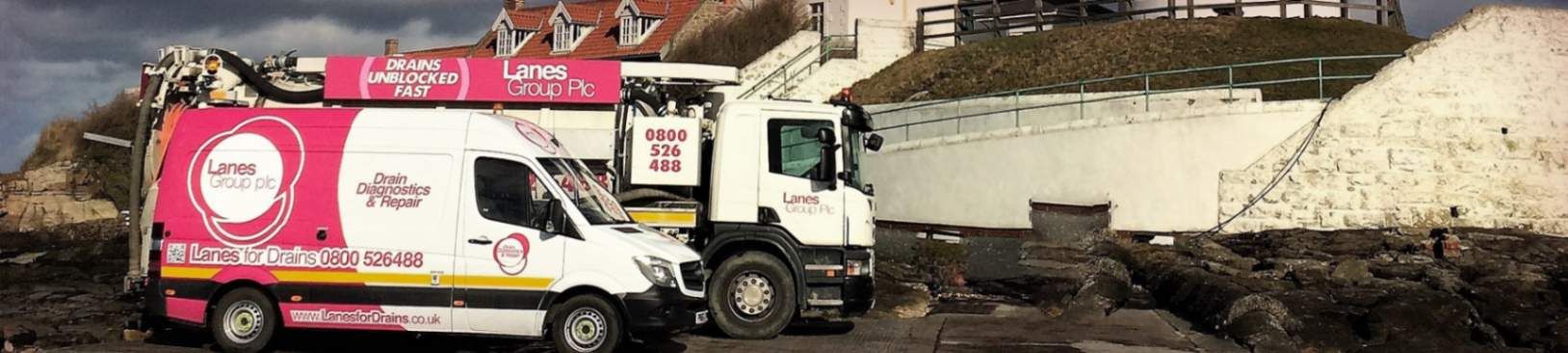
At Lanes Group, this article is about hands-on, site-based drainage engineering careers. These roles are focused on keeping drainage systems working. That could mean clearing a blockage, carrying out repairs and using high-pressure water jetting equipment to keep infrastructure working as it should.
What Does a Drainage Engineer Do at Lanes Group?
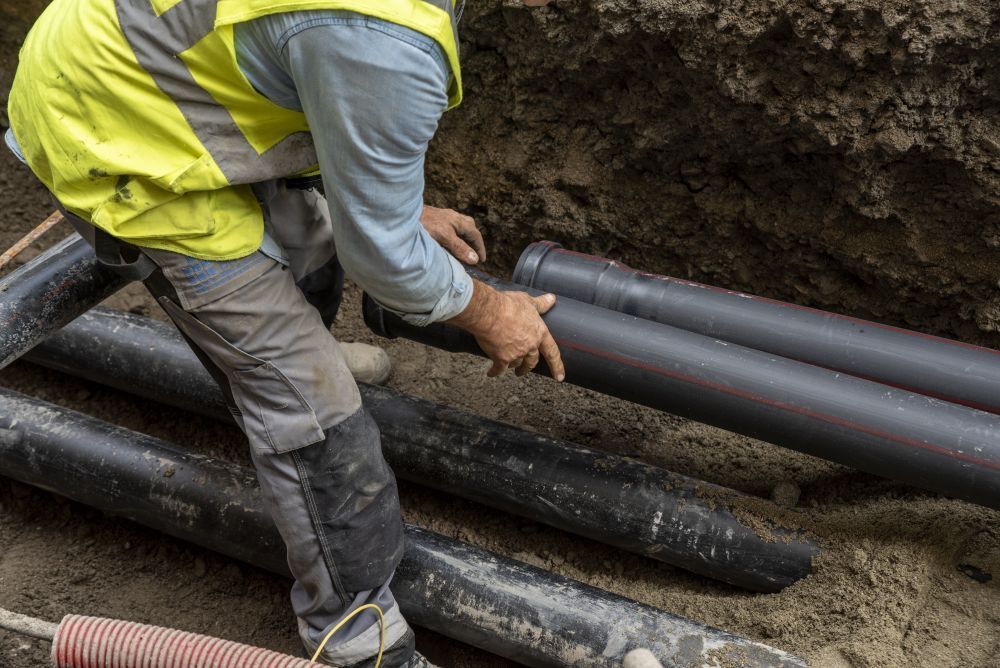
Our drainage engineers keep drainage systems clear, safe and working as they should. This can involve clearing blockages, cleaning drains and pipes, carrying out repairs and using high-pressure water jetting or jet vacuum equipment. Our teams travel to different sites, including homes, businesses and public areas.
It is a hands-on role with a strong sense of purpose. One day you may be carrying out planned maintenance to help prevent problems. Next, you could be responding to an urgent blockage that is causing stress for a customer. You arrive, assess the issue, use the right equipment and get things moving again.
That immediacy is part of the appeal. If you like practical work and solving problems and seeing the result of what you have done, this route will feel satisfying. You are not just talking about the problem. You are actively fixing it.
Lanes’ drainage engineer and drainage assistant jobs are suited to people who want active site work, problem-solving and the chance to build specialist drainage skills over time.
Want to hear from our team? Read James Lewis’ drainage engineer staff story to see how one Lanes employee moved from selling cars into drainage engineering.
What Does a CCTV Drainage Engineer Do at Lanes Group?
A CCTV drainage engineer uses specialist camera equipment to inspect underground drainage systems.
Instead of digging up pipes to find out what is wrong, CCTV drainage engineers use cameras to see the internal condition of drains and sewers. This identifies blockages, cracks, root intrusion, structural damage and other faults that may not be visible from above ground.
The work is still practical and site-based, but has a more investigative feel. You are using technology to understand what is happening underground. You may be working with real-time video feeds, high-resolution cameras, survey equipment, reporting tools, photographs and video evidence.
CCTV surveys can also help customers make better decisions. They may be used before a property purchase, as part of regular maintenance or to diagnose a hidden drainage issue before repair work begins. By finding the fault accurately, CCTV drainage engineers allow people to avoid unnecessary excavation and support the wider team in choosing the right next step.
This can make CCTV drainage engineering a strong fit for someone who likes practical work but is also drawn to technology, detail and investigation.
If that sounds appealing, you can explore CCTV drainage engineer and assistant jobs at Lanes Group.
For a more personal view of the role, Brian Macallister’s CCTV drainage engineer staff story gives useful insight into the technical and practical sides of CCTV drainage work at Lanes. You can also read Bekithemba Mlilo’s CCTV drainage engineer story, which shows how someone can start as a CCTV drainage survey assistant and progress with specialist training.
Drainage Engineer vs CCTV Drainage Engineer: What Is the Main Difference?
A drainage engineer is often more involved in clearing, cleaning and repairing the issue. A CCTV drainage engineer is more focused on finding, recording and explaining what is happening inside the drainage system.
|
Area |
Drainage engineer |
CCTV drainage engineer |
|
Main focus |
Clearing, cleaning and repairing drainage problems |
Inspecting, diagnosing and reporting drainage problems |
|
Work style |
More physical and reactive |
More technical and investigative |
|
Equipment |
High-pressure water jetting, jet vacuum equipment and drainage tools |
CCTV cameras, surveying kit and reporting software |
|
Best fit |
People who like active site work and direct problem-solving |
People who like technology, detail and diagnosis |
The choice is not really about which role is better. It is about the kind of problem-solving you enjoy.
Some people want to get stuck into the blockage and help restore the system there and then. Others enjoy finding the fault, building the evidence and helping customers or repair teams understand what needs to happen next.
Which Role Feels More Hands-On?
Both roles are hands-on, but they are hands-on in different ways.
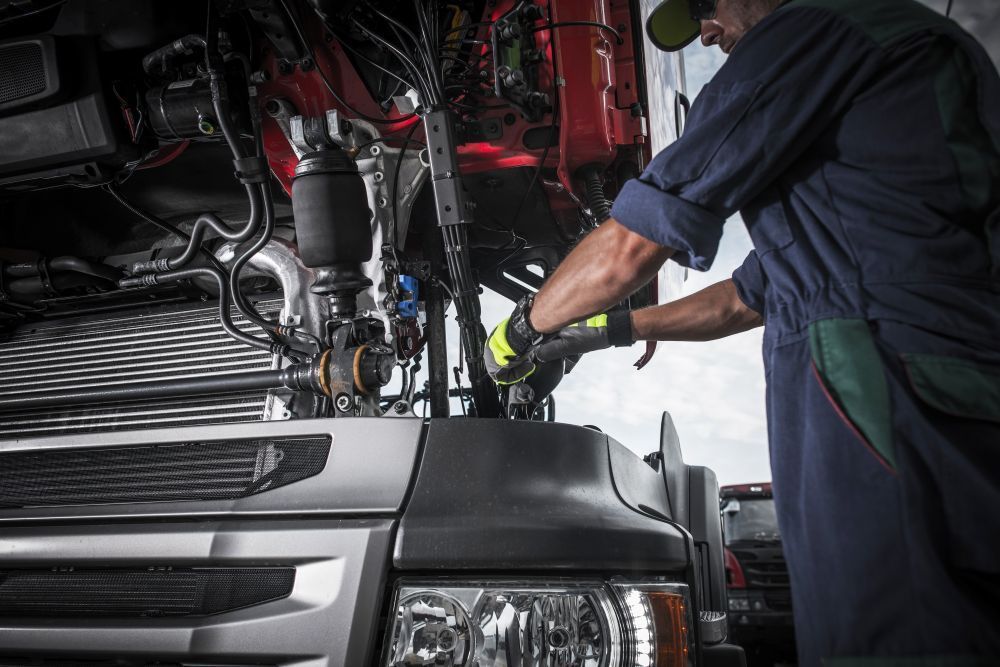
Drainage engineering is usually the more physical route. It can involve more direct clearing work, more equipment handling and a quicker link between the task and the result. You may be using high-pressure water jetting, jet vacuum equipment or other tools to clear, clean or repair drainage systems.
CCTV drainage engineering is still practical, but the work is more focused on inspection. You are using cameras, survey equipment and reporting tools to investigate what is happening underground. You may not always be the person clearing the blockage, but your work can be what allows the right repair or maintenance plan to happen.
If you want the most active, physical version of drainage work, a drainage engineer role may appeal more. If you like being out on site but also enjoy technology, detail and diagnosis, CCTV drainage engineering may be the better fit.
Which Role Suits People Who Like Problem-Solving?
Both roles involve problem-solving. The difference is the type of problem-solving you enjoy.
For a drainage engineer, the problem is often immediate. A drain is blocked. A customer is under pressure. A system needs to work again. The role is about assessing the situation, using the right equipment and taking direct action.
For a CCTV drainage engineer, the problem may be hidden. Something is wrong underground, but the cause is not clear. The skill is in using camera equipment and survey tools to find the issue, record it accurately and provide the evidence needed for the next step.
This makes CCTV work especially valuable when excavation would be disruptive or costly. A camera survey can help pinpoint a fault before digging or repair work begins. It can also support regular maintenance by identifying early signs of damage before they become bigger problems.
If you like the idea of solving problems by action, drainage engineering may suit you. If you like solving problems by investigation, CCTV drainage engineering may be the stronger fit.
Which Role Uses More Technology?
CCTV drainage engineering is likely to appeal if you want a practical role with a strong technical side.
CCTV drainage engineers use camera systems to inspect pipes and drains from the inside. They may work with real-time video feeds, high-resolution cameras, survey software, photographs, drain mapping and reports that show the condition, layout and depth of underground drainage systems.
This work can feel almost investigative. You are building a picture of something that cannot be seen from the surface. You may be helping identify a hidden blockage, a cracked pipe, root intrusion or a structural issue that needs further attention.
Drainage engineers also use specialist equipment, especially high-pressure water jetting and jet vacuum equipment. The difference is that the focus is more on using that equipment to clear and maintain the system.
So, if you are drawn to equipment, reporting, images and diagnosis, CCTV could be the more interesting route. If you prefer active site work and visible results, drainage engineering may feel more natural.
Which Role Is Better If You Are New to Drainage?
Neither route should feel closed off automatically.
A drainage engineer role may suit someone with experience in manual work, driving, construction, groundworks, maintenance or outdoor roles. If you are used to practical tasks, working with tools, travelling to sites or dealing with customers, you may already have useful transferable skills.
A CCTV drainage engineer role may suit someone who is practical but also detail-focused. You may enjoy using equipment, following a process, spotting patterns and recording what you find. Customer service skills also matter, because you may need to explain the survey process or findings clearly.
At Lanes Group, training and development can help people build the skills they need over time. That matters if you are coming into drainage from another industry and want a reliable career path rather than just another job.
You can learn more about training and development at Lanes Group if you are interested in how employees are supported.
It can also help to read staff stories from people who have already changed direction. Shaun Ciccone’s career change into wastewater engineering shows how experience from another industry can set you up well to hit the ground running in the drainage and infrastructure sector.
Which Role Offers Better Career Development?
Both roles can support career development, but the routes may look different.
In wider civil engineering, career development may involve a degree, graduate roles, chartered status, computer modelling, flood risk management or sustainable drainage design. That is a different kind of drainage engineering career from the practical roles discussed here.
At Lanes Group, development is more closely linked to training, site experience, qualifications and progression through operational or specialist roles.
A drainage engineer may develop into more senior practical work, specialist jetting, tanker work, planned maintenance, supervision or wider operational roles. A CCTV drainage engineer may develop through specialist survey work, reporting, drain mapping, verification, supervisory roles or other technical routes.
The right path depends on what you want to keep building on. If you like active problem-solving and direct repair work, drainage engineering may feel like the better long-term fit. If you like investigation, technology and detailed reporting, CCTV drainage engineering may offer a stronger sense of progression.
How to Choose Between Drainage Engineering and CCTV Drainage Engineering
Think about the kind of work that would keep you interested.
Choose drainage engineering if you want active site work, physical tasks and the satisfaction of clearing, cleaning or repairing problems directly.
Choose CCTV drainage engineering if you are drawn to technology, investigation and producing evidence that helps customers understand what is happening underground.
You do not need to have every answer before you apply. Reading the role descriptions, looking at staff stories and exploring current vacancies can help you understand which path feels closer to the work you want to do.
How to Apply for Drainage and CCTV Drainage Jobs at Lanes Group
If you are interested in either role, start by looking at current vacancies and reading the requirements carefully.
Pay attention to the type of work, the location, the training available and any licence or experience requirements. Some roles may ask for previous drainage experience, while others may be more open to people with transferable skills and the right attitude.
When you apply, show why the role interests you. If you have practical work experience, customer service skills, driving experience, technical interest or experience working outdoors, make that clear. If you are new to drainage, explain why you want to learn and what makes you suited to this kind of work.
You can explore drainage engineer and drainage assistant jobs at Lanes Group, view CCTV drainage engineer and assistant jobs at Lanes Group, or search our drainage jobs to see what is available near you.
Start Your Drainage Career With Lanes Group
Drainage engineer and CCTV drainage engineer roles can both offer practical work, training and the chance to build a career in an essential industry.
A drainage engineer role may suit you if you enjoy active site work, hands-on problem-solving and seeing the result of what you have done. A CCTV drainage engineer role may suit you if you are drawn to technology, investigation and detailed reporting.
Both roles help customers solve real drainage problems. Both can offer variety. Both can give you a route into a skilled, practical career with Lanes Group.
If you want to be out on site, learning useful skills and doing work that makes a visible difference, explore current engineering jobs at Lanes Group or search our drainage jobs to find your next opportunity.

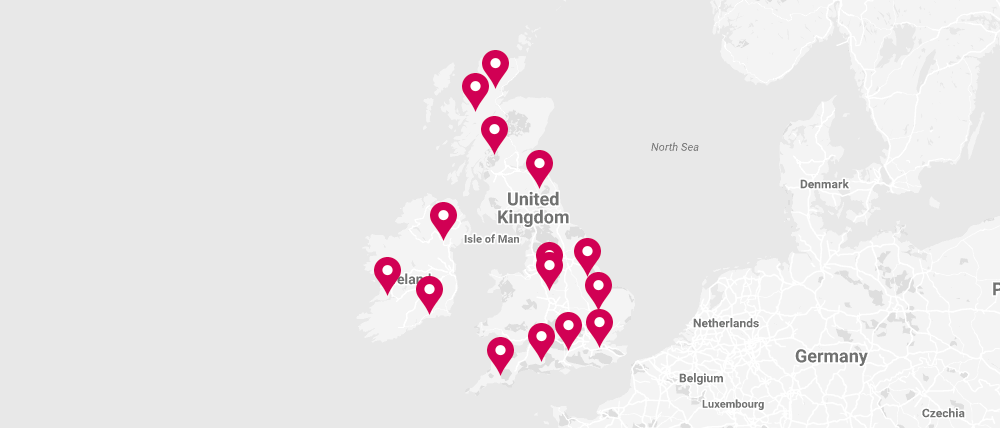
Our Offices, Divisions & Depots

Lanes Group Ltd,
17 Parkside Lane, Parkside Industrial Estate, Leeds, LS11 5TD
Lanes Group ltd
Customer Solutions Centre
9 Cambridge Avenue
Slough
SL1 4AY
Our News Feeds
Andy’s jobs journey reaches fulfilment down in the sewers
Andy led the Lanes emergency team, working on behalf of Thames Water, that first responded to the discovery of the Islington concreteberg.
Why Lanes Group - and the drainage sector - is perfect for those looking for a new career
Find out more about what makes the drainage sector such an attractive proposition for those looking for a change in career.
Where to start when making a career change
Let us help you understand your options when it comes to changing careers
How to successfully apply for a role as a Lanes Group CCTV engineer
Find out more about what we're looking for in our CCTV engineers, and how to maximise your chances of securing a role with Lanes Group.
What it’s actually like to work in the drainage industry
In this article, we look at the many great things about working in the sector and show you what it’s really like to have a career in this growing sector, while busting a fair few myths in the process.
Vicky has perfect role keeping online sales flowing
Personality, determination and a very good understanding of the drainage industry – all qualities that Vicky Smith puts to excellent use as an online sales executive at Lanes Group plc.