
Resources
How Long Does an Apprenticeship Last?
- Admin
- 27th March
Apprenticeships are designed to build skills over time, mixing day-to-day work with practical and classroom-based training. In most cases, apprenticeships take between one and four years to complete. Some entry-level roles may take around a year, while degree apprenticeships can run for up to six years, particularly where higher-level qualifications are involved.
At Lanes Group, our apprenticeship programmes are designed as a long-term route into a driving, drainage or utilities career. Here we explain the lengths of time you can expect different levels of apprenticeships to take, and what you can expect once you complete your training.
How long is an apprenticeship in the UK?
In the UK, since new rules came in in 2025, apprenticeships must last at least eight months. In practice, the length will vary depending on the level of qualification, the sector and the training provider delivering the course.
For example, intermediate apprenticeships often take around one year, while an advanced apprenticeship can take closer to two years. Higher apprenticeships and degree apprenticeships usually last longer, often between three and six years, depending on the level of study and the knowledge needed for the role.
At Lanes, the length of each apprenticeship depends on the requirements of the role. Our programmes are designed to equip apprentices with in-demand technical skills, so they are prepared to step into the job once their training is complete.
Apprenticeship levels and how long they take
The level of apprenticeship you choose will affect how long the programme lasts, with higher-level qualifications typically requiring more time to complete.
Intermediate apprenticeships (level 2): these entry-level qualifications are often equivalent to GCSEs and usually take between 12 and 18 months. They are suited to those starting their career after school.
Advanced apprenticeship (level 3): equivalent to A levels, an advanced apprenticeship typically takes between 18 months and two years. These programmes build on existing knowledge and introduce greater responsibility in the workplace.
Higher apprenticeships (level 4 and 5): usually take between two and four years to complete. They are often linked to technical roles, including engineering and utilities apprenticeship routes.
Degree apprenticeships (level 6 and 7): degree apprenticeships combine full-time work with university-level study. They can take between three and six years and may lead to a bachelor’s degree or a master’s degree, depending on the course.
What affects how long an apprenticeship lasts?
The length of an apprenticeship is not fixed and will vary depending on several factors.
- Sector and job roles: engineering, electrical engineering and utilities roles often require a longer period of training
- Training provider: different providers structure their programmes in different ways
- Working hours: most apprenticeships are full time, usually around 30 to 40 hours per week, including training
- Course requirements: the level of qualification and assessments will influence how long it takes
- Other commitments: part time apprenticeships may take longer to complete due to reduced hours
At Lanes, apprenticeship programmes combine in-house training with support from accredited training providers. Most of the learning happens on the job, with additional training built around the demands of the role.
How many hours do apprentices work?
Most apprenticeships are full time, with working hours typically between 30 and 40 hours per week. This includes both time spent working and time spent on training.
Apprentices may spend part of the week working on site and part of their time completing coursework or attending college. In some cases, this could be one day per week in a training environment, with the remainder of time spent in the workplace.
Some programmes offer more flexibility, including part-time apprenticeships, although these are less common and may take longer to complete.
At Lanes, working hours reflect real job conditions, giving apprentices a clear understanding of what to expect in their role.
Is an apprenticeship worth it?
An apprenticeship is designed to prepare people for a real job while gaining qualifications. Over the course of the programme, apprentices develop practical skills, build experience and gain recognised qualifications while earning.
At Lanes Group, apprenticeships are used to build long-term careers. The time spent learning in the workplace provides a strong foundation for progression within the business and across the wider sector.
What happens after an apprenticeship?
Completing an apprenticeship prepares you to move into a full-time role with the skills and experience needed to do the job. In many cases, apprentices stay on with their employer and continue to build their career within the same team.
At Lanes Group, apprenticeships are designed with this progression in mind. Once training is complete, apprentices are typically ready to step into a permanent role, applying the practical skills and knowledge they have developed on the job.
From there, there are opportunities to progress into more specialised or senior positions. This could include moving into technical roles, gaining additional qualifications, or developing into supervisory positions over time.
The focus at Lanes is on long-term development. Apprentices are not just trained to complete a course, but to build a career within the business and the wider drainage and utilities sector. Many of our apprentices have progressed their careers within Lanes. Hear from Ella, Liam and Olivia about their time as apprentices at Lanes and what came next in their career.
Get in touch
If you’re thinking about starting an apprenticeship and want to learn more about opportunities at Lanes Group, explore our current roles and apply today.
Categories
Related posts
We provide all of our valued employees with a range of rewards and benefits, including training opportunities, health schemes, pension options and childcare support.
At Lanes, we deliver industry-leading training courses and programmes to help our staff do the best job they can, while developing their skills over the span of their careers.
We offer a diverse range of roles and opportunities in locations across the UK, and applying for them is as easy as filling out our online application form.
If you still have questions about our application, induction and onboarding processes, check out our FAQs page for additional information.
Working at Lanes can be rewarding and fulfilling, but you don’t have to take our word for it - we’ve asked some our staff to share their stories of what it’s really like to work here.
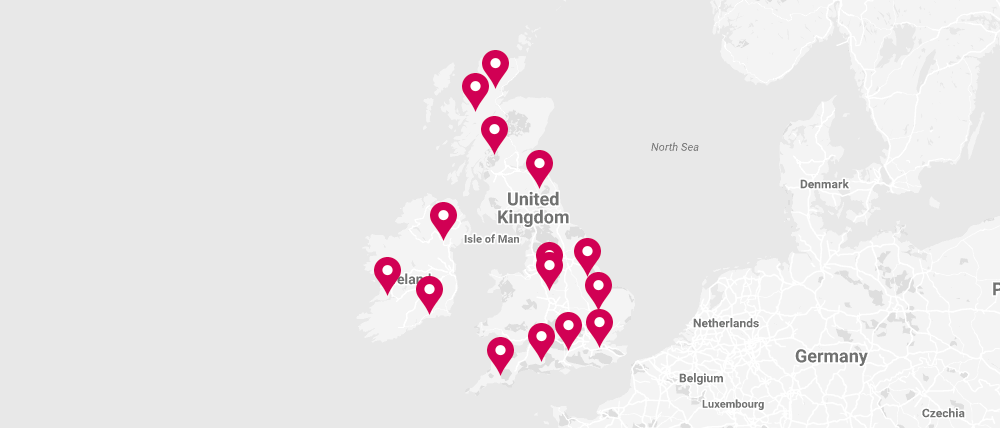
Our Offices, Divisions & Depots

Lanes Group Ltd,
17 Parkside Lane, Parkside Industrial Estate, Leeds, LS11 5TD
Lanes Group ltd
Customer Solutions Centre
9 Cambridge Avenue
Slough
SL1 4AY
Our News Feeds
Andy’s jobs journey reaches fulfilment down in the sewers
Andy led the Lanes emergency team, working on behalf of Thames Water, that first responded to the discovery of the Islington concreteberg.
Why Lanes Group - and the drainage sector - is perfect for those looking for a new career
Find out more about what makes the drainage sector such an attractive proposition for those looking for a change in career.
Where to start when making a career change
Let us help you understand your options when it comes to changing careers
How to successfully apply for a role as a Lanes Group CCTV engineer
Find out more about what we're looking for in our CCTV engineers, and how to maximise your chances of securing a role with Lanes Group.
What it’s actually like to work in the drainage industry
In this article, we look at the many great things about working in the sector and show you what it’s really like to have a career in this growing sector, while busting a fair few myths in the process.
Vicky has perfect role keeping online sales flowing
Personality, determination and a very good understanding of the drainage industry – all qualities that Vicky Smith puts to excellent use as an online sales executive at Lanes Group plc.