
Are you interested in building things that last? Are you weighing up university courses against an apprenticeship? Are you looking for information on how to become a civil engineer, and looking for the best route into this career?
The honest answer is that there's no single qualification and no fixed education required. Civil engineering has a ladder, and there's more than one way onto it. Some civil engineers study for an accredited engineering qualification, a higher or degree apprenticeship that pays you while you learn. Others start as technicians and study alongside the job.
At Lanes, our civil engineering staff range from apprentices on their first site to experienced civil engineers running major infrastructure projects. In this guide, we look at the academic qualifications you need to get in, and how civil engineers can progress through their career once qualified.
What does a civil engineer actually do?
Civil engineers plan, design, build and maintain the physical world around us. This includes the roads, bridges, railways, drainage and water systems that keep the country running. It's the engineering behind the built environment, the kind most people never notice until it stops working.
In a typical week, civil engineers might survey a site, model how a structure will behave, price up materials or manage construction projects. They work closely with clients and other professionals, from architects to site managers, and they keep health and safety rules front of mind at every stage. Increasingly, civil engineers also weigh up environmental impact, from protecting water resources to designing for climate change and choosing sustainable materials such as recycled aggregates.
The scope is broad, which is part of the appeal. A civil engineering role can mean designing a flood defence one year and overseeing a major sewerage site the next. That variety is what attracts many to this role.
The academic qualifications required
There are several ways to become a civil engineer. Below are the main academic routes civil engineers take, from school-leaver options to the apprenticeship route.
A levels and equivalent Level 3 qualifications
If you're still at school or college, this is usually where the path begins. To get onto a civil engineering course at a UK university, you typically need 2 or 3 A levels including maths and a science, with physics the most useful. Equivalent Level 3 qualifications also count, such as a relevant BTEC or T-level in construction or engineering. The educational requirements vary by university, so check each course and use UCAS to compare.
An accredited bachelor's degree
The most common academic route is a bachelor's degree in civil engineering, usually a BEng (Bachelor of Engineering) or sometimes a BSc (Bachelor of Science). A university degree at this level teaches the engineering science, design principles and technical knowledge civil engineers use throughout their working lives.
The word to look for is accredited as this degree meets a national benchmark called UK-SPEC, the UK Standard for Professional Engineering Competence and Commitment. The Engineering Council sets that standard, and licensed institutions such as the Institution of Civil Engineers (ICE) confirm which degrees meet it.
An accredited master's degree
Many civil engineers go on to a master's degree, either an integrated MEng (Master of Engineering) taken as one longer course, or a separate MSc (Master of Science) after a bachelor's. An accredited master's degree, or an accredited MEng, is the usual academic base for the top professional title in civil engineering, Chartered Engineer, and a common step for ambitious engineering graduates.
HNC, HND and foundation degree
You don't have to take the traditional full-time route at all. A Higher National Certificate (HNC), a Higher National Diploma (HND) or a foundation degree are all respected engineering qualifications that get civil engineers into the profession and count toward professional registration later. Combined with further learning, a foundation degree can take you all the way to chartership over time. These routes tend to be flexible and incur less debt, and many people study them part-time while working.
The civil engineering degree apprenticeship
For many, this is the most exciting option. The Civil Engineer Level 6 degree apprenticeship takes around five years and lets you earn a full engineering qualification while you work and get paid, without the burden of a student loan. To start one, you usually need 4 or 5 GCSEs at grades 9 to 4, plus A levels or equivalent Level 3 qualifications.
The engineering profession treats apprenticeships as a recognised route to professional excellence for civil engineers, combining practical training with study and an End Point Assessment that confirms your competence at the end. Engineering apprenticeships are arranged slightly differently across England, Scotland, Wales and Northern Ireland, so check the details where you live.
How you become professionally qualified
Once you're working, a second set of skills opens up. This is where civil engineers become professionally qualified, and it sits apart from anything you studied. In the UK, professional standards for engineers are set by the Engineering Council, the regulator that holds the national register.
There are three professional titles, or grades, and they map out a clear career path in order. Each is recognised across engineering, and together they rank among the most recognisable engineering qualifications civil engineers can hold. Not every civil engineer wants to reach the same level, and that's fine. Here's how ongoing qualifications work.
Engineering Technician (EngTech)
Engineering Technician is the first rung, and a natural fit for a practical person early in their career, especially anyone on an apprenticeship. The usual base is a completed apprenticeship, work-based training, or an approved Level 3 (or higher) engineering or construction qualification, plus real practical experience. The engineering profession openly notes a national shortage of registered technicians, so demand from many employers is strong. It's a solid, recognised way for civil engineers to show they can do the job to a professional standard, building knowledge as they go.
Incorporated Engineer (IEng)
Incorporated Engineer is the next step, aimed at someone already working as a civil engineer who applies established knowledge to real engineering problems. The academic base is an accredited bachelor's or honours qualification, or an accredited HNC, HND or foundation degree plus further learning to that level. Many civil engineers settle at this grade, taking on more responsibility for how projects are delivered day to day.
Chartered Engineer (CEng)
Chartered Engineer (CEng) is the top civil engineering qualification, and it marks out the most accomplished civil engineers in the field. Chartered engineers develop answers to complex engineering problems using new and existing technology, take technical responsibility for complex projects and systems and are accountable for project, finance and personnel management.
The academic base is an accredited bachelor's degree plus an accredited master's degree, or an accredited integrated MEng. Chartered civil engineers often lead senior project management roles. It's a genuine mark of expertise across different industries, from drainage to construction.
Initial Professional Development and the Professional Review
So how do civil engineers actually earn one of these titles? Beyond the academic base, you complete a period of Initial Professional Development. This is the stage where you build and record real competence on live construction projects, guided by professional development targets set with your employer and mentor.
The final stage is the Professional Review. Here, you submit a written report on your experience, then attend an interview with senior engineers who assess you against the standard. Passing the professional review is what confirms you have reached the grade. It takes time, commonly several years of professional development after your degree, and you will work towards it during your day to day work on projects.
What if you don't have the usual academic route?
Civil engineers don't always have to take the standard degree route to become professionally qualified. The regulator lets people reach Incorporated Engineer and even Chartered Engineer through a work-based assessment against UK-SPEC, sometimes called the technical report route. If you have built deep knowledge and practical experience without the textbook engineering qualifications, there's a recognised way to prove it. Background, age and where you started are no barrier.
The skills you need to become a civil engineer
Qualifications open the door, but skills are what make you good at the job, from problem solving to teamwork. They fall into two broad categories.
Technical skills and knowledge
The technical side rests on strong maths and physics skills and a firm grasp of engineering principles. Day to day, civil engineers need to:
-
Use computer aided design (CAD), the computer software engineers rely on to draw and model structures;
-
Read, interpret and produce technical drawings and specifications;
-
Analyse data from surveys, tests and site conditions to make sound decisions;
-
Apply health and safety rules and wider safety rules correctly at every stage;
-
Keep their digital skills current, as more and more engineering work is digitised.
These practical skills grow fastest through real work and training on live projects, which is one more reason the apprenticeship and technician routes into engineering are so valued.
Soft skills and professional skills
Just as important are the soft skills that let you work well with people. Civil engineering is a team effort, and the professional skills that matter most include:
-
Communication skills, so you can explain technical ideas to clients and non-specialists;
-
Problem solving, often named by working civil engineers as the best part of the job;
-
Teamwork, because you rely on other engineers and other professionals to deliver;
-
Attention to detail, since small errors on site can carry big consequences.
Get the technical knowledge and the professional skills working together and you have the full toolkit engineering demands of civil engineers.
How long does it take to become a civil engineer?
Timings depend entirely on your route. A Level 6 degree apprenticeship takes around five years. A traditional engineering course runs three or four years, and reaching the top chartered grade through the Professional Review adds several more years of development on top. There's no single timeframe, so civil engineers should measure progress by the steps they complete rather than a fixed deadline.
What civil engineers earn in the UK
On pay, the National Careers Service puts civil engineer salaries at around £29,000 for a starter, rising to about £63,000 for an experienced professional. Typical hours are 40 to 42 a week. That's the profession-wide picture across engineering in the UK, and the higher figures tend to follow the professional titles and the extra responsibility civil engineers take on as they progress.
What our civil engineers do at Lanes
Civil engineering is far broader than skyscrapers and motorway bridges. A huge share of the work is the infrastructure and construction that keeps water moving and communities safe: drainage networks, flood management, water systems, infrastructure projects and utility projects. This is the ground Lanes Group civil engineering jobs cover, and where a lot of working civil engineers spend their careers.
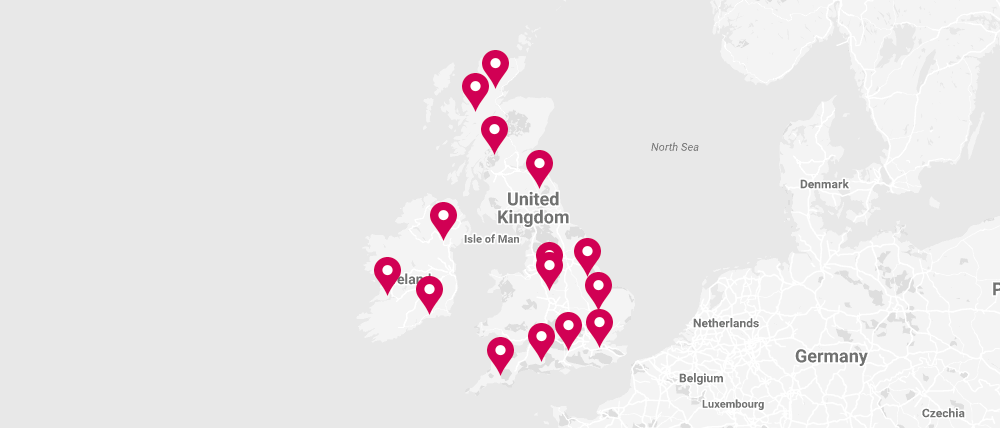
Lanes Group is the UK's largest privately owned drainage and wastewater contractor, working from 25 regional locations across England, Scotland and Wales. Our civil engineers run real civil and minor-civil engineering projects in water, drainage, flood and infrastructure work, from feasibility and detailed engineering design through to construction and completion. There are always new projects on the go.
The civil engineering roles Lanes recruits for
We hire apprentice civil engineers, minor civil engineers, civil site managers and project planners, with training and support behind you. Whether you're just starting out in your first civil engineering role or already among the qualified civil engineers in the field, there's a place to put your skills to work on projects that have a huge impact on our society. We also actively back women in engineering and utilities at Lanes, because the engineering profession needs more civil engineers from every background.
Start your civil engineering career with Lanes Group
There is no single answer to how to become a civil engineer or what qualifications you need, but there's always a route that fits. Whether you're eyeing an accredited engineering qualification, weighing up an HNC or HND, or ready to earn while you learn, the route into engineering is open. Every rung is reachable from where you stand now.
If you want to build in the real world, take a look at engineering jobs at Lanes Group and our apprenticeship opportunities at Lanes, including the Utilities and Engineering Apprentice programme. Engineering apprenticeships at Lanes pay a competitive salary with no student loan, welcome all ages, and often lead straight to a permanent role.
Ready to start your search? Explore our open roles and join the next generation of civil engineers.


Our Offices, Divisions & Depots

Lanes Group Ltd,
17 Parkside Lane, Parkside Industrial Estate, Leeds, LS11 5TD
Lanes Group ltd
Customer Solutions Centre
9 Cambridge Avenue
Slough
SL1 4AY
Our News Feeds
Andy’s jobs journey reaches fulfilment down in the sewers
Andy led the Lanes emergency team, working on behalf of Thames Water, that first responded to the discovery of the Islington concreteberg.
Why Lanes Group - and the drainage sector - is perfect for those looking for a new career
Find out more about what makes the drainage sector such an attractive proposition for those looking for a change in career.
Where to start when making a career change
Let us help you understand your options when it comes to changing careers
How to successfully apply for a role as a Lanes Group CCTV engineer
Find out more about what we're looking for in our CCTV engineers, and how to maximise your chances of securing a role with Lanes Group.
What it’s actually like to work in the drainage industry
In this article, we look at the many great things about working in the sector and show you what it’s really like to have a career in this growing sector, while busting a fair few myths in the process.
Vicky has perfect role keeping online sales flowing
Personality, determination and a very good understanding of the drainage industry – all qualities that Vicky Smith puts to excellent use as an online sales executive at Lanes Group plc.