
Resources
How to Write a CV for an Apprenticeship
- Admin
- 26th March
Applying for an apprenticeship is your first real move into the working world. Your CV is what puts you in front of employers - it's a clear, direct way to show what you can do, what you’re interested in and where you want to go next.
At this stage, employers are not expecting a long work history. What makes a good apprenticeship CV is how clearly you present your skills, your attitude and your interest in the role. At Lanes Group, we see strong applications from people with very different backgrounds, and the ones that stand out are those that show a clear interest in the job and an understanding of what the apprenticeship involves. In this blog, we offer some tips on using your CV to give a strong first impression.
What employers look for in an apprenticeship CV
As an apprentice, years of experience isn’t as relevant as your willingness to learn. Instead, they are interested in your approach to learning and working. Do you show interest in the role? Are you ready to learn? Can you work with others and follow through on what you start?
A strong apprenticeship CV should make that clear by showing:
- A genuine interest in the apprenticeship programme and job role.
- Relevant skills, even if you’ve picked them up through school, part-time work or hobbies.
- A willingness to learn and get involved in practical work.
- Reliability, communication skills and the ability to work as part of a team.
In drainage, utilities and engineering apprenticeships, there’s an expectation that you’re comfortable with hands-on work. At Lanes, we are looking for people who are ready to learn by doing.
How to structure your apprenticeship CV
A simple layout works best, so keep your curriculum vitae clear, easy to read and focused on relevant information.
Contact details
Start with your basic contact details at the top of your CV, including your:
- Full name
- Phone number
- Email address
- Location (a brief note is enough at this stage, no need for a full address)
- The easier it is for people to contact you, the better.
- Personal statement
- Your personal statement is a short professional summary at the top of your CV. This should be two to three sentences that explain:
- Who you are
- What apprenticeship you are applying for
- Why you are interested in that specific role
For example, if you are looking to secure a drainage and utilities apprenticeship, you might highlight an interest in work that involves hands-on problem solving, working with cutting-edge equipment and contributing to essential infrastructure that keeps systems running.
Education section
List your most recent education first. Include your:
- School, college or training provider
- Qualifications and grades
- Relevant coursework
- Strongest subjects
If you have completed projects linked to the apprenticeship, include these. For example, this could be practical construction work, basic engineering tasks, using tools or equipment, or subjects like maths and science where you have applied problem-solving or analysing data. These give employers a clearer idea of how you approach real tasks, not just what you’ve studied.
Work experience
Many people applying for an apprenticeship are writing their first CV. You can still build a strong application by including:
- Any part-time jobs
- School work experience programmes
- Voluntary work
For each role, include the job title, company name and key responsibilities. Use bullet points to explain what you did and what you learned. And remember, employers are looking for potential. Showing that you are motivated, reliable and willing to learn can make all the difference.
Key skills
This section highlights the skills that make you a good fit for the apprenticeship. Keep it clear and research the role you’re applying for, so you can pull out relevant points.
Use bullet points to list things like:
- Communication skills
- Teamwork (for example, being part of a sports team or group project)
- Practical skills
- Organisation and reliability
Where possible, show how you’ve used these skills. This could be working as part of a team in school, managing responsibilities in a part-time job or completing hands-on tasks in coursework or hobbies.
Focus on skills that relate directly to the apprenticeship - especially those that show you can work safely, follow instructions and contribute as part of a team in a hands-on environment.
Interests and extracurricular activities
Relevant hobbies and interests can strengthen your CV, particularly if you have limited work experience. For example, participation in:
- Team sports
- Practical hobbies
- Activities that show commitment or discipline
These are good signals that show employers you are reliable, able to work with others and know how to manage your time.
How to tailor your CV for an apprenticeship
It can be tempting to send the same CV for every application, but most employers have learned to quickly spot generic applications that don’t reflect the role.
To improve your chances:
- Read the job description carefully
- Adjust your personal statement for each application
- Highlight specific skills that match the apprenticeship requirements
- Use language that reflects the role and industry
For example, if you are applying for a drainage or LGV driver apprenticeship, make sure you focus on practical skills, teamwork and your willingness to work in a hands-on environment.
Common mistakes to avoid
When the recruitment team at Lanes review CVs for the roles we offer all over the UK, a few patterns come up regularly and often lead to applications being rejected:
- Overloading the document with unnecessary information
- Writing a generic personal statement
- Not tailoring your CV to the role
- Leaving out key sections, such as your skills or education
- Relying too heavily on AI tools without checking the content
A clear, straightforward CV that reflects the role you’re applying for tends to stand out. So if you can avoid these mistakes, you stand a good chance of getting called in for an interview.
Applying for an apprenticeship at Lanes Group
Once your CV is ready, the next step is applying for the right opportunity.
At Lanes Group, we offer apprenticeship programmes at our depots all across the UK in areas such as drainage, utilities and LGV driver training. In these roles, our apprentices combine practical work with structured training in a supportive team environment.
If you're eager to earn while you learn, and want to become part of the team at one of the UK's largest infrastructure and drainage firms, explore our open roles and apply today.
Categories
Related posts
We provide all of our valued employees with a range of rewards and benefits, including training opportunities, health schemes, pension options and childcare support.
At Lanes, we deliver industry-leading training courses and programmes to help our staff do the best job they can, while developing their skills over the span of their careers.
We offer a diverse range of roles and opportunities in locations across the UK, and applying for them is as easy as filling out our online application form.
If you still have questions about our application, induction and onboarding processes, check out our FAQs page for additional information.
Working at Lanes can be rewarding and fulfilling, but you don’t have to take our word for it - we’ve asked some our staff to share their stories of what it’s really like to work here.
Our Offices, Divisions & Depots
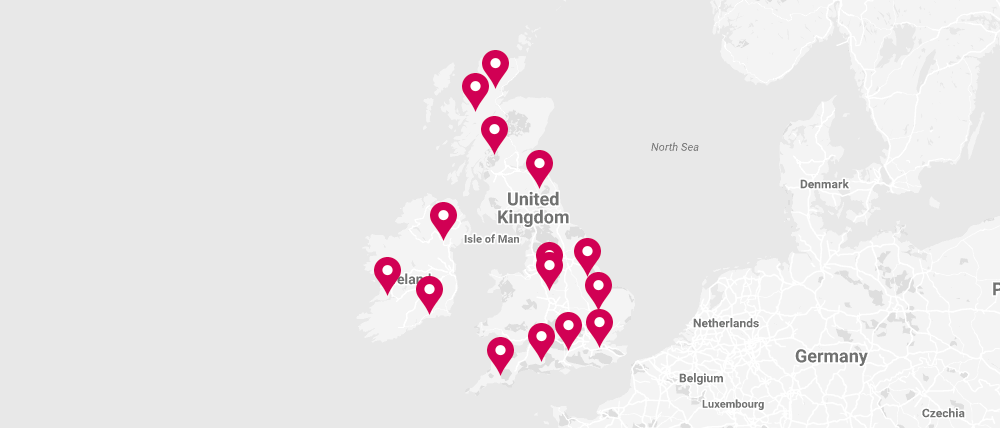

Lanes Group Ltd,
17 Parkside Lane, Parkside Industrial Estate, Leeds, LS11 5TD
Lanes Group ltd
Customer Solutions Centre
9 Cambridge Avenue
Slough
SL1 4AY
Our News Feeds
Andy’s jobs journey reaches fulfilment down in the sewers
Andy led the Lanes emergency team, working on behalf of Thames Water, that first responded to the discovery of the Islington concreteberg.
Why Lanes Group - and the drainage sector - is perfect for those looking for a new career
Find out more about what makes the drainage sector such an attractive proposition for those looking for a change in career.
Where to start when making a career change
Let us help you understand your options when it comes to changing careers
How to successfully apply for a role as a Lanes Group CCTV engineer
Find out more about what we're looking for in our CCTV engineers, and how to maximise your chances of securing a role with Lanes Group.
What it’s actually like to work in the drainage industry
In this article, we look at the many great things about working in the sector and show you what it’s really like to have a career in this growing sector, while busting a fair few myths in the process.
Vicky has perfect role keeping online sales flowing
Personality, determination and a very good understanding of the drainage industry – all qualities that Vicky Smith puts to excellent use as an online sales executive at Lanes Group plc.