
If you’re exploring a career in engineering, there are several ways into the industry. And the honest answer is that the amount of time it takes will depend on the route you take. Some people follow a traditional university path, while others start earning straight away through apprenticeships or entry-level roles.
In reality, there isn’t a single timeline. What matters more is finding the right path into the industry - especially if you’re interested in engineering in utilities, where practical experience can be just as important as academic qualifications.
In this guide we will break down the different routes for you. We’ll explain the timelines for practical, vocational training versus university degrees, detail the qualifications you’ll need and explore what a career in the essential utilities sector really involves.

What does the daily routine of a civil engineer look like?
The short answer is: it varies.
There isn’t a single “typical day” in civil engineering. Your routine will depend on the type of role you’re in, the projects you’re working on and the sector you’re part of.
In traditional construction roles, a lot of time may be spent on large, fixed projects, often based on a single construction site for extended periods. In contrast, utilities roles tend to be more varied and responsive.
In the utilities sector, your day could involve:
- Assessing and maintaining drainage systems or wastewater networks
- Responding to issues that affect homes, businesses or infrastructure
- Working with a team to solve problems in real time
- Moving between different locations rather than staying on one project site
Because these systems are in constant use, the work is ongoing. You may find yourself contributing to a single build one day, and the next responding to an issue involving essential waterworks.
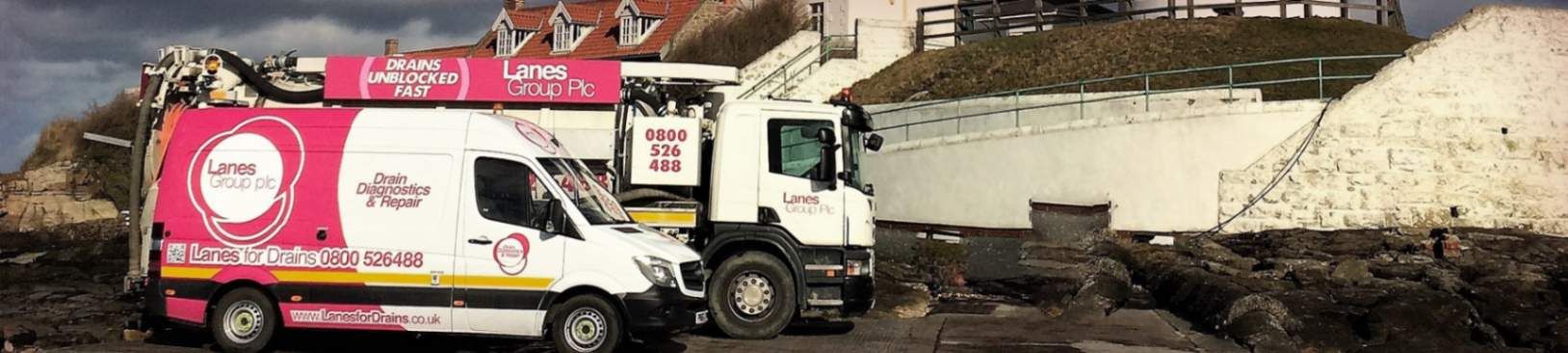
At Lanes Group, this means our range of engineering roles are often hands-on. You will apply technical knowledge, as well as working directly with cutting edge equipment, to support customers and handle real-world challenges as they happen.
For many of our team, that variety is one of the most appealing parts of a career in utilities. Explore our staff stories to find out more.
How long does it take to become a civil engineer in the UK?
For a fully qualified professional civil engineer, the typical timeline is:
- 3-4 years for an undergraduate degree (BEng or BSc)
- 1 additional year for a master’s degree (MEng or MSc), if required
- 3–5 years of work experience to gain professional status
This means the full civil engineering journey can take anywhere from 6 to 10 years.
However, that’s only one route - and it’s not the only way to build a successful career in the civil engineering industry, particularly for civil engineer roles in utilities.
What are the different routes into civil engineering?
Beyond the university route, there are several ways to start a career in civil engineering, depending on your experience, qualifications and goals.
Foundation degree or HND route
Another option is to start with a foundation degree or HND.
This typically takes 2 years full-time and is followed by further study or work experience.
This is often a more accessible entry point for those who don’t want to commit to a full university course straight away.
Degree apprenticeship route
A degree apprenticeship allows you to earn while you learn.
This usually takes around 4-5 years, and combines:
- On-the-job training
- Formal engineering courses
- Practical experience on real projects
This route is becoming increasingly popular in the construction and utilities sectors, because it allows you to earn while you learn without the expense of a university course. This approach also allows you to gain extensive experience on the job, and that hands-on experience is something that many employers value when looking to recruit.
Starting in a utilities role
In the utilities sector, there is also a more practical route into engineering.
You can start in a related role and develop your skills over time. For example at Lanes, we recruit for these positions all over the UK:
- Working as a drainage or CCTV engineers
- Jet Vac operators
This route gives you access to state of the art engineering equipment, and a full training and development programme that equips you with valuable engineering skills and field experience that will open up opportunities for progression. At Lanes, many people join us without formal qualifications and develop into specialist roles over time through training and experience.
What qualifications do you need?
Depending on the path you choose, requirements will vary:
For a university route, you’ll usually need:
- Strong GCSEs, including maths and science
- A-levels or equivalent in a relevant subject such as maths or physics
- The academic background to meet university entry requirements
For apprenticeships or practical roles:
- GCSEs are often enough to get started
- A willingness to learn and develop is key
- Practical skills, problem solving ability and a proactive attitude are highly valued
At Lanes, we look for people who share our values, such as integrity and reliability, when recruiting.
Are civil engineers paid well in the UK?
Salaries for skilled engineers in the utilities sector are competitive and grow significantly with experience. Because much of the work is reactive, total earnings are often much higher when you include overtime and on-call bonuses.
A Civil Engineer in the UK can typically expect to earn:
- Trainee/Entry-Level: £23,000 - £32,000
- Experienced: £35,000 - £48,000
- Senior/Lead: £45,000 - £67,000+
With the right skills and experience, a senior civil engineer, particularly in a major city like London, can earn over £70,000.
Is it too late to start a career in civil engineering?
Not at all. Many people enter the civil engineering industry later in life, either through career changes or by developing skills on the job.
In utilities, this is particularly common. Employers are often looking for:
- Practical experience
- Reliability and work ethic
- Willingness to learn
This makes it a realistic option for those looking to retrain or move into a new field, where experience and a mature attitude are vital to keeping everyone safe.
How Lanes Group supports your engineering career
The employer you choose plays a big role in how quickly you develop.
At Lanes Group, we support our people to build long-term careers in utilities, whether they come from a traditional engineering background or not.
This includes:
- Regular training and development opportunities
- Clear progression routes within the business
- A supportive working environment focused on growth
- Initiatives to make sure women are welcomed into engineering roles
If you’re interested in exploring these opportunities, you can explore our engineering roles here. Ready to take the next step? Explore current opportunities and apply today.
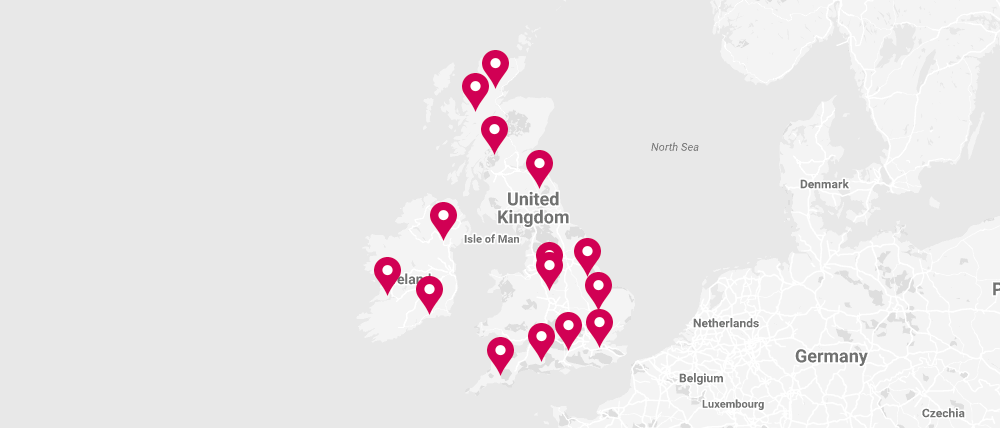
Our Offices, Divisions & Depots

Lanes Group Ltd,
17 Parkside Lane, Parkside Industrial Estate, Leeds, LS11 5TD
Lanes Group ltd
Customer Solutions Centre
9 Cambridge Avenue
Slough
SL1 4AY
Our News Feeds
Andy’s jobs journey reaches fulfilment down in the sewers
Andy led the Lanes emergency team, working on behalf of Thames Water, that first responded to the discovery of the Islington concreteberg.
Why Lanes Group - and the drainage sector - is perfect for those looking for a new career
Find out more about what makes the drainage sector such an attractive proposition for those looking for a change in career.
Where to start when making a career change
Let us help you understand your options when it comes to changing careers
How to successfully apply for a role as a Lanes Group CCTV engineer
Find out more about what we're looking for in our CCTV engineers, and how to maximise your chances of securing a role with Lanes Group.
What it’s actually like to work in the drainage industry
In this article, we look at the many great things about working in the sector and show you what it’s really like to have a career in this growing sector, while busting a fair few myths in the process.
Vicky has perfect role keeping online sales flowing
Personality, determination and a very good understanding of the drainage industry – all qualities that Vicky Smith puts to excellent use as an online sales executive at Lanes Group plc.