
Resources
What Are The Main Civil Engineer Job Responsibilities?
- Admin
- 22nd January
Civil engineers are the experts who design, build and maintain the infrastructure society relies on every day. This is a role that combines technical knowledge, practical delivery and responsibility for safety, cost and long-term performance on all kinds of projects relating to the built environment.
In this blog, the team at Lanes explains the responsibilities a civil engineer takes on across project stages, how civil engineers work with other disciplines and the ways the role develops as you gain experience. We'll also look at the ways civil engineers play a key role in our wider drainage operations here at Lanes.
The Civil Engineer Job Description
Civil engineers play a huge role in planning, designing, delivering and maintaining the UK's infrastructure projects. You will take on responsibility for turning technical concepts into workable solutions that meet legal requirements, safety standards and client expectations.
Civil engineers work across the construction industry, supporting projects that range from highways and bridges to power plants, water and sewerage systems. Depending on the role, you may work in offices developing project plans, on construction sites overseeing delivery or a mix of both.
Planning, Design And Technical Preparation
One of the earliest responsibilities in a civil engineer job is technical preparation. This includes carrying out technical and feasibility studies to assess whether projects can be delivered safely and within budget.
During this process, civil engineers often use computer-aided design software to produce design plans. These documents form the technical backbone of a project and guide construction teams throughout the build.
At this stage, engineers also address development problems, assess project details and prepare specifications that account for materials and construction methods.
Site Investigations and Feasibility Work
Before construction begins, civil engineers will have their steel-toe cap boots on the ground, conducting site investigations. You might find yourself reviewing survey reports, assessing site layout and understanding the ground conditions that could affect foundations, drainage or structural integrity.
It's the civil engineer's job to consider environmental impact, public health implications and potential risks, particularly where projects interact with water, sewerage systems or sensitive ground conditions. Your feasibility studies will also support permit applications and help demonstrate compliance with local authorities, local governments and planning regulations.
Managing Construction and Delivery On Site
Once construction begins, a civil engineer's responsibilities shift towards delivery. On a construction site, engineers oversee construction activity, supervise construction projects and carry out regular site inspections to check progress, quality and safety requirements.
You will take the lead in making sure work meets building codes, technical specifications and legal requirements. During this stage, you will collaborate with various specialists, such as subcontractors and other engineers. This hands-on involvement is a key part of the role, especially on infrastructure and drainage-related projects where conditions can change quickly.
Budgets, Resources and Project Control
Civil engineers are often responsible for managing budgets and controlling costs throughout a project. This includes preparing cost estimates, supporting tendering procedures and approving equipment purchases.
Engineers track project deadlines, manage other project resources and make sure projects can be completed on time and within agreed budgets.
Infrastructure, Drainage and Public Impact
Many civil engineers work on infrastructure projects that directly affect communities and public health. These include water and sewerage systems, drainage networks, transport infrastructure and energy projects.
Drainage-focused civil engineering plays a major role in flood prevention, environmental protection and safe waste management. Engineers working in this space have to balance technical delivery with long-term resilience to make sure systems perform reliably under changing conditions.
How Responsibilities Grow With Experience
A trainee civil engineer or graduate may start out focusing on supporting design work, site inspections and data collection. As their experience builds, engineers can expect to take on greater responsibility for managing projects, budgets and teams. Finding a great employer that encourages professional development, work placement experience and structured training to support your career progression will help you work towards achieving a senior engineering role.
As your confidence and experience grows, there are many ways you can further your career as a civil engineer. You may become involved in decision making, risk management on complex projects or decide to develop your skills in a specialist area.
Civil Engineering and Drainage Careers at Lanes
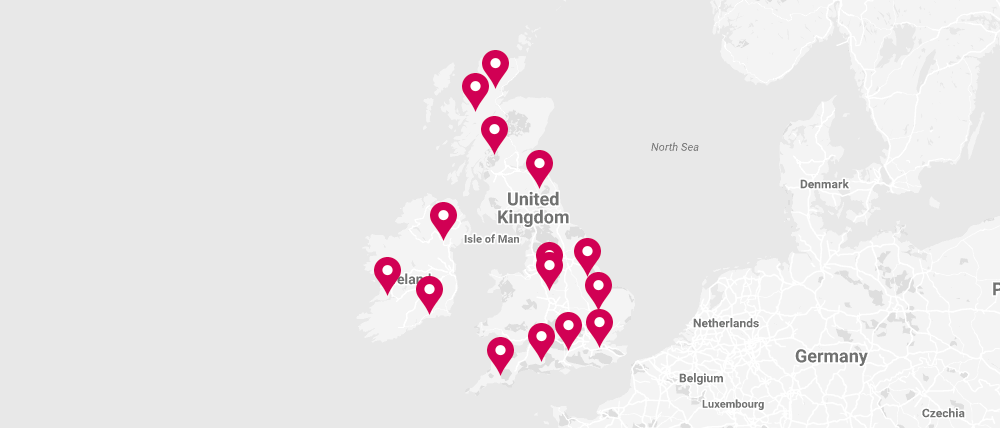
At Lanes, we employ civil engineers alongside drainage engineers, jetting engineers and other technical specialists across the UK. Our people work out of depots all over the country, on projects that range from major contracts with the UK's biggest water companies to domestic and commercial drainage repair jobs.
For engineers interested in hands-on infrastructure work, we provide opportunities to apply civil engineering skills across drainage, water, construction and environmental projects. When you join us, you can expect plenty of focus on your career development through our training programme. As well as a great salary that reflects your experience and expertise, we also offer countless rewards and benefits. If you're looking to secure your first civil engineering role, or move your career to the next level, explore our open roles today.
Categories
Related posts
We provide all of our valued employees with a range of rewards and benefits, including training opportunities, health schemes, pension options and childcare support.
At Lanes, we deliver industry-leading training courses and programmes to help our staff do the best job they can, while developing their skills over the span of their careers.
We offer a diverse range of roles and opportunities in locations across the UK, and applying for them is as easy as filling out our online application form.
If you still have questions about our application, induction and onboarding processes, check out our FAQs page for additional information.
Working at Lanes can be rewarding and fulfilling, but you don’t have to take our word for it - we’ve asked some our staff to share their stories of what it’s really like to work here.
Our Offices, Divisions & Depots

Lanes Group Ltd,
17 Parkside Lane, Parkside Industrial Estate, Leeds, LS11 5TD
Lanes Group ltd
Customer Solutions Centre
9 Cambridge Avenue
Slough
SL1 4AY
Our News Feeds
Andy’s jobs journey reaches fulfilment down in the sewers
Andy led the Lanes emergency team, working on behalf of Thames Water, that first responded to the discovery of the Islington concreteberg.
Why Lanes Group - and the drainage sector - is perfect for those looking for a new career
Find out more about what makes the drainage sector such an attractive proposition for those looking for a change in career.
Where to start when making a career change
Let us help you understand your options when it comes to changing careers
How to successfully apply for a role as a Lanes Group CCTV engineer
Find out more about what we're looking for in our CCTV engineers, and how to maximise your chances of securing a role with Lanes Group.
What it’s actually like to work in the drainage industry
In this article, we look at the many great things about working in the sector and show you what it’s really like to have a career in this growing sector, while busting a fair few myths in the process.
Vicky has perfect role keeping online sales flowing
Personality, determination and a very good understanding of the drainage industry – all qualities that Vicky Smith puts to excellent use as an online sales executive at Lanes Group plc.