
Resources
CV For Manual Workers: A Writing Guide
- 25th March
If you work in the drainage sector, utilities industry or another trade, we understand that creating a CV might not be your top priority. Most people in these fields learn through hands-on experience, build practical abilities on the job and gain skills by working alongside site supervisors, engineers and other skilled tradespeople.
Even so, a CV has a real purpose. Hiring managers across the drainage and wider utilities sector still rely on CVs to understand your work history, relevant qualifications and the type of practical experience you can bring to a team. It’s not about having perfect spelling or formal education - it’s about giving employers a clear picture of your skills and experience.
A CV can also help you move through the application process more quickly. Instead of filling in the same details each time, you can use your document to apply for more roles, show relevant skills at a glance and give a brief description of your experience that lines up with the job description.
This guide, and our downloadable CV template, is designed to help all workers, including those new to the trades or the utilities sector, showcase their skills effectively, create a compelling work history and build a CV that gets results.
What makes a strong CV?
Here is a simple breakdown of what to include when creating your own CV.
1. Contact details
Place your contact details at the top of the page. Include your full name, phone number and email address. Adding your location and a brief description of the type of work you’re looking for can also help employers match you to roles.
2. Introduction / personal statement
Your personal statement should summarise your key skills, experience and the type of role you’re applying for. Keep it short and focused on your practical abilities rather than long descriptions.
Examples:
- Experienced worker: “Maintenance operative with extensive experience in equipment operation, quality control and high safety standards in challenging environments. Strong background in heavy materials handling.”
- Drainage role: “Drainage operative experienced in high-pressure water jetting, CCTV surveys and safety procedures. Skilled in assisting tradespeople and contributing to project efficiency through organised job sites and consistent safety compliance.”
- Entry-level: “Motivated and reliable individual with strong physical stamina and a positive work ethic. Keen to build practical experience in the drainage sector and learn new practical abilities.”
3. Core skills and knowledge
This section works best in bullet points and should highlight the abilities you have that match the job description and the practical demands of the role. You should also mention the soft skills you possess, such as time management, reliability and the ability to solve problems on your own.
If you have relevant certificates, such as first aid qualifications, or a Construction Skills Certification Scheme card, you should also mention them here.
4. Employment history
Your employment history (or work history) is one of the most important parts of your CV. List roles in reverse order, include your job title, employer and dates, then add bullet points explaining what you did.
Where possible, focus on achievements, for example:
- Operated hand tools and power tools to assist skilled tradespeople, contributing to structural integrity and high-quality workmanship.
- Managed inventory and transported materials safely, supporting project deadlines and maintaining a productive work environment.
- Followed health and safety regulations and safety knowledge gained through training, contributing to zero accidents over a 12-month period.
- If you’re unsure what to write, it can help to look at CV examples online to see how others describe similar work.
5. Education history
Keep this concise. Include any relevant qualifications, apprenticeships or specialist safety training. For many roles, practical experience carries just as much weight as formal education.
6. Hobbies and interests (optional)
This section is optional but can help highlight transferable skills. Activities that involve teamwork, physical stamina or practical experience - such as DIY projects, sports or volunteering - can all support your application.
How to format a CV that gets noticed
When you’re applying for roles in the drainage sector, a clear and simple layout can make a real difference. Hiring managers and applicant tracking systems both need to understand your experience quickly, so the way you present your CV for manual work is just as important as the information inside it.
Keep it clean
Use a straightforward layout with a clear font such as Arial or Calibri in size 10 or 11. Black text on a white background is easiest to read, especially when CVs are printed on site or shared between team members and site supervisors. Simple formatting also helps applicant tracking systems scan your document without missing important details about your practical skills or key skills.
Structure is key
A strong CV works best with clear headings and short bullet points. This makes your work history, core skills and relevant qualifications easy to find during a quick review. Most employers only need one to two pages, so place your most relevant skills and job site safety experience on the first page.
Construction Skills Certification SchemeEmma Louise O’Brien is Head of Career Coaching at Renovo, has been recognised by the Career Development Institute and previously awarded Career Coach of the Year. Mrs.O’Brien said: “The focus will always be on the first page of your CV, so make sure the most relevant and tailored information is written here. Anything you have included that isn’t related or as important to the job you’re applying for can be removed or moved on to another page.”
Proofread with care
Mistakes can make a CV look rushed, especially when applying for roles that involve safety procedures, maintaining safety standards or handling hazardous materials. Read through your CV slowly, or ask someone you trust to look over it. Even people with years of hands-on experience and practical abilities benefit from a second pair of eyes.
A final tip
Researching the job description and the company can help you include the right terms naturally - whether that’s heavy machinery operation, site preparation, operating tools, manual labour tasks or concrete pouring. The more clearly your CV reflects the role, the easier it is for hiring managers to match you to suitable jobs.
Download our free CV template for manual workers
To help you get started, we’ve created a free to download manual worker CV template. The document lays out how much room each section of the document should cover, provides examples of what to include, and is totally free of any Lanes branding, so you’re free to use it no matter where you’re applying for a job.
Click here to download the template and start adding your details.
Categories
Related posts
We provide all of our valued employees with a range of rewards and benefits, including training opportunities, health schemes, pension options and childcare support.
At Lanes, we deliver industry-leading training courses and programmes to help our staff do the best job they can, while developing their skills over the span of their careers.
We offer a diverse range of roles and opportunities in locations across the UK, and applying for them is as easy as filling out our online application form.
If you still have questions about our application, induction and onboarding processes, check out our FAQs page for additional information.
Working at Lanes can be rewarding and fulfilling, but you don’t have to take our word for it - we’ve asked some our staff to share their stories of what it’s really like to work here.
Our Offices, Divisions & Depots
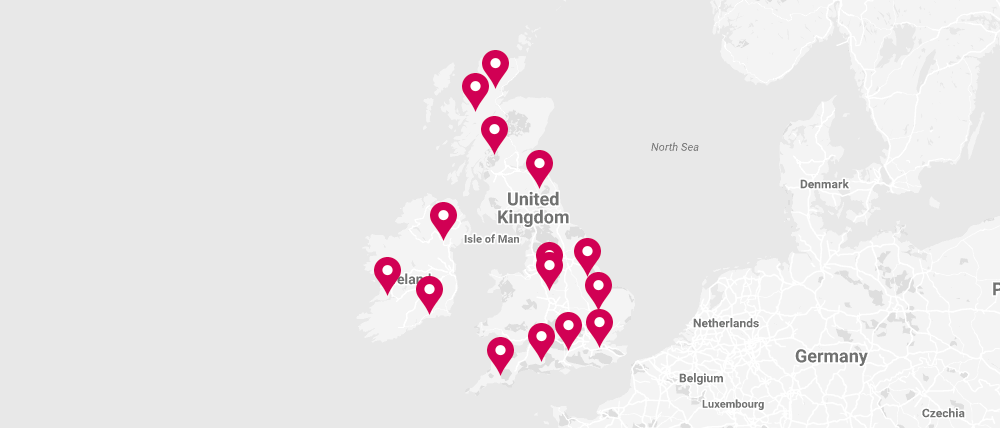

Lanes Group Ltd,
17 Parkside Lane, Parkside Industrial Estate, Leeds, LS11 5TD
Lanes Group ltd
Customer Solutions Centre
9 Cambridge Avenue
Slough
SL1 4AY
Our News Feeds
Andy’s jobs journey reaches fulfilment down in the sewers
Andy led the Lanes emergency team, working on behalf of Thames Water, that first responded to the discovery of the Islington concreteberg.
Why Lanes Group - and the drainage sector - is perfect for those looking for a new career
Find out more about what makes the drainage sector such an attractive proposition for those looking for a change in career.
Where to start when making a career change
Let us help you understand your options when it comes to changing careers
How to successfully apply for a role as a Lanes Group CCTV engineer
Find out more about what we're looking for in our CCTV engineers, and how to maximise your chances of securing a role with Lanes Group.
What it’s actually like to work in the drainage industry
In this article, we look at the many great things about working in the sector and show you what it’s really like to have a career in this growing sector, while busting a fair few myths in the process.
Vicky has perfect role keeping online sales flowing
Personality, determination and a very good understanding of the drainage industry – all qualities that Vicky Smith puts to excellent use as an online sales executive at Lanes Group plc.