
What Is the Demand for Civil Engineers in the UK?
If you are considering a career in engineering, understanding where demand sits allows you to shape your next move. Civil engineering remains a core part of the UK’s infrastructure workforce, but demand does not stop there. Alongside traditional civil engineering roles, there is a growing need for specialist engineers working across water, drainage, wastewater, transport and utilities. Together, these roles form the backbone of the infrastructure that supports local communities and keeps essential services running.
In this blog, the careers team at Lanes Group will explain the UK workforce’s demand for civil engineers, and discuss other related engineering roles that offer those with the right qualifications and abilities the chance to gain in-demand commercial skills.
Why civil engineers remain in high demand
The demand for civil engineers in the UK has remained strong for many years, driven by a combination of ageing infrastructure, population growth and continued investment in public works. Civil engineers are fundamental for the design, construction and maintenance of assets such as buildings, bridges and transport links. From improving road networks to upgrading water systems, civil engineering professionals are involved in projects that have long-term value and visible impact.
What is driving demand across the civil engineering sector?
Infrastructure projects across the UK are receiving sustained funding, particularly where safety, resilience and environmental performance are concerned.
Climate change has also become a defining issue for the sector. Engineers are increasingly involved in addressing environmental impact, developing sustainable design solutions and supporting green energy initiatives. This has created demand for new skills, including green skills and knowledge of sustainable materials and construction methods.
At the same time, the current workforce is ageing. As experienced professionals move towards retirement, employers are facing a skills gap that needs to be filled by a new generation of engineers and technicians.
Engineering roles in demand across the UK infrastructure sector
While civil engineers remain central to the industry, modern infrastructure work relies on a much broader range of engineering roles. Today’s infrastructure projects depend on teams made up of civil engineers, structural engineers, geotechnical engineers and transportation engineers, working alongside technicians, surveyors and operational engineers.
In sectors such as water and wastewater, roles such as jetting engineers focus less on design and more on maintaining, repairing and improving existing systems. These roles require practical knowledge, problem-solving skills and the ability to respond to real-world conditions on site.
Specialist engineering roles supporting essential infrastructure
Across the UK, engineers working in drainage help to protect public health and the environment. These roles support water systems that serve homes, businesses and local communities, often operating behind the scenes but with a direct impact on daily life.
Specialist engineering roles in this area can include drainage engineers and CCTV drainage engineers. Day to day, this work involves inspecting drainage networks, clearing blockages, carrying out maintenance or responding to emergency incidents. Engineers in these roles use advanced equipment and digital tools to assess problems and deliver effective solutions.
For many people looking to get into hands-on engineering roles, these positions offer a great way to enter the industry and gain practical experience while building skills with cutting-edge equipment.
Women in engineering and infrastructure roles
More employers now recognise that building a strong future workforce means attracting and supporting women into engineering roles at every level, from apprenticeships and graduate positions through to senior and leadership roles.
At Lanes Group, women work across a wide range of engineering disciplines, including civil engineering, drainage engineering, CCTV surveying and jetting operations. These roles involve hands-on, technical work as well as planning, problem-solving and collaboration with wider project teams.
Structured training and development play a vital part in supporting women in engineering roles. Lanes provides access to industry-recognised training, including City & Guilds-approved courses, alongside on-the-job learning with experienced colleagues. This combination allows engineers to build confidence, develop practical skills and progress over time into more senior or specialist positions.
Flexible working patterns, supportive teams and clear career pathways also help make engineering a more accessible and sustainable career choice.
As demand for civil engineers and specialist infrastructure engineers continues to grow, encouraging more women into engineering is an increasingly important part of addressing skills shortages across the sector.
Next steps if you’re considering an engineering career
If you are thinking about entering the civil engineering sector or moving into a related infrastructure role, it is worth exploring the full range of opportunities available. Looking beyond job titles and understanding how different engineering roles fit together can open up new pathways.
At Lanes, our engineering roles sit at the heart of nationwide drainage and wastewater operations, and our teams work on both planned and reactive projects that support domestic and commercial clients. The work is varied, practical and closely tied to real infrastructure challenges. Take a look at our staff stories to hear what our engineers have to say about working with us.
We also invest heavily in training and development. Engineers have access to structured learning, including an in-house training course approved by City & Guilds, designed to help people build skills over time and progress into more senior roles. We also offer plenty of rewards and benefits to make sure you feel valued as part of our operation.
Interested in applying? Take a look at our open roles today.
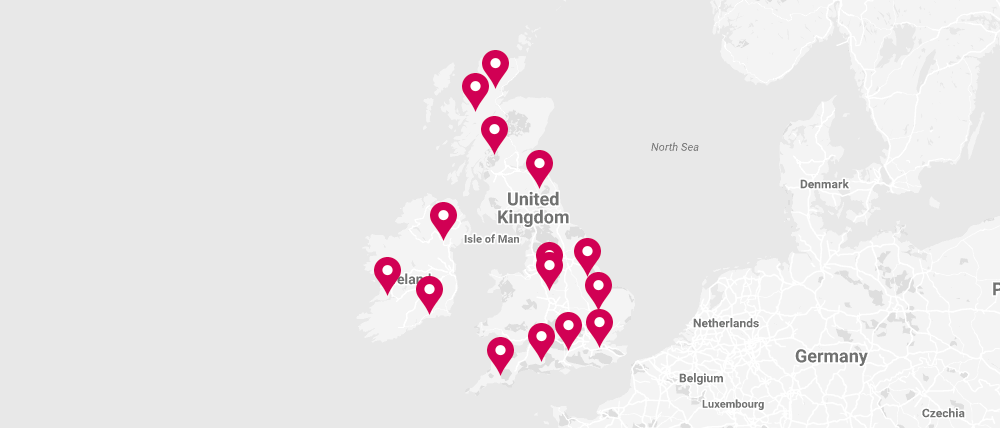
Our Offices, Divisions & Depots

Lanes Group Ltd,
17 Parkside Lane, Parkside Industrial Estate, Leeds, LS11 5TD
Lanes Group ltd
Customer Solutions Centre
9 Cambridge Avenue
Slough
SL1 4AY
Our News Feeds
Andy’s jobs journey reaches fulfilment down in the sewers
Andy led the Lanes emergency team, working on behalf of Thames Water, that first responded to the discovery of the Islington concreteberg.
Why Lanes Group - and the drainage sector - is perfect for those looking for a new career
Find out more about what makes the drainage sector such an attractive proposition for those looking for a change in career.
Where to start when making a career change
Let us help you understand your options when it comes to changing careers
How to successfully apply for a role as a Lanes Group CCTV engineer
Find out more about what we're looking for in our CCTV engineers, and how to maximise your chances of securing a role with Lanes Group.
What it’s actually like to work in the drainage industry
In this article, we look at the many great things about working in the sector and show you what it’s really like to have a career in this growing sector, while busting a fair few myths in the process.
Vicky has perfect role keeping online sales flowing
Personality, determination and a very good understanding of the drainage industry – all qualities that Vicky Smith puts to excellent use as an online sales executive at Lanes Group plc.