
Understanding the Requirements for an HGV Licence Before You Apply
For many people, getting an HGV licence marks the start of a more stable and practical working life. It can appeal to those looking for a change from desk-based roles, people who enjoy hands-on work or younger workers who want a clear route into a long-term career without years of academic study.
HGV driving also covers far more than motorway haulage. Across sectors like utilities, drainage and wastewater management, lorry drivers play an active role in keeping services running safely and reliably. In these roles, driving is only part of the job, with drivers also working alongside engineers, operating specialist equipment and resolving problems that affect commercial and domestic clients' daily lives.
This guide explains what becoming an HGV driver involves, the requirements for an HGV licence, how to apply and how roles at companies like Lanes Group offer a different kind of HGV career.

What does becoming an HGV driver involve?
Becoming an HGV driver in the UK means gaining a heavy goods vehicle licence that allows you to drive vehicles over 3.5 tonnes for professional purposes. Unlike a standard car driving licence, an HGV licence comes with additional responsibilities around safety, vehicle control and professional competence.
Professional HGV drivers are trusted to operate large vehicles safely, often in challenging environments or time-sensitive situations. This is why the process involves medical checks, theory tests, practical driving tests and ongoing training through the Certificate of Professional Competence (Driver CPC).
For many people, the appeal lies in the structure and clarity of the route. You train, qualify and then step into work that is consistently in demand across the UK, particularly in essential sectors such as drainage, wastewater and infrastructure maintenance.
Requirements for an HGV licence
There are several basic requirements for an HGV licence that apply across the UK.
You must hold a full UK car driving licence before you can apply for a provisional HGV licence. This confirms that you already have experience driving on public roads and understand general road safety rules.
You will also need to apply for provisional entitlement for the HGV category you want to train in. Most people begin with category C, as it allows you to drive rigid lorries over 7.5 tonnes and opens up a wider range of job opportunities across sectors like utilities, drainage and logistics. Some may start with category C1 for vehicles up to 7.5 tonnes as a more gradual step up from a car driving licence, to build confidence with heavy vehicles before progressing further.
A key part of the requirements for an HGV licence is the medical examination. An HGV medical assesses eyesight, general health and any physical risks that could affect your ability to drive vehicles safely. This involves completing a medical form signed off by a registered doctor.
Alongside this, anyone aiming to become a professional HGV driver must meet professional competence standards. After receiving a provisional HGV licence and while completing their training, drivers work towards the Driver CPC. This qualification is completed through a series of theory and practical assessments and confirms that you understand safety, regulations and best practice before you begin professional HGV work.
Applying for an HGV licence
Drivers must apply for a provisional HGV licence through the DVLA. This involves confirming your driving history, medical fitness and chosen licence category.
Once approved, your provisional HGV licence allows you to begin formal HGV training at a recognised driver training centre. At this stage, you are not yet permitted to drive an HGV independently on public roads, but you can train under supervision.
There are costs involved in applying for an HGV licence, including medical tests, training courses and test fees. These vary depending on location and training provider, so you should make sure this is the right choice for you, and take time to research your options before committing.
Understanding HGV licence categories
HGV licences are divided into different categories, sometimes called HGV classes, depending on vehicle weight and type.
-
Category C1 allows you to drive vehicles weighing between 3.5 and 7.5 tonnes.
-
Category C covers rigid lorries over 7.5 tonnes and is the most common entry point for professional HGV drivers.
-
Category C+E allows you to drive articulated vehicles with trailers.
In drainage and wastewater work, category C licences are widely used, as many specialist tankers and jetting vehicles fall into this category. Drivers may later progress to C+E if their role requires it.
HGV training: what to expect
At a driver training centre, you will learn about vehicle controls, vehicle safety, manoeuvring and off-road exercises that give you confidence and control.
Practical HGV training also covers real-world driving situations, so you can understand how heavy vehicles behave in traffic, at junctions and on restricted sites. This is particularly useful for drivers who later move into specialist roles where space and safety are crucial.
Training courses are designed to prepare you for the test itself while also building safe, consistent driving habits that protect you and other road users. Courses vary in length, ranging from intensive programmes for those looking to qualify quickly to longer-term training that can be planned around your existing commitments.
HGV theory and practical driving tests
To qualify, you will need to pass both theory and practical driving tests.
The HGV theory test includes multiple-choice questions and a hazard perception test, which assesses your ability to spot and react to potential risks. Many candidates use widely available practice tests to prepare for this stage.
The practical driving test involves a driving ability test carried out at an approved test centre. You will demonstrate safe driving, vehicle control and awareness of other road users. Some tests also include a practical demonstration related to vehicle safety checks.
Once you have passed these tests, you are ready to move from training into professional HGV driving. At this point, the focus shifts from learning to pass exams to securing your first driving role, where you will gain experience on the road, develop confidence and apply what you’ve learned in real working environments.
Driver CPC and professional competence
The Driver Certificate of Professional Competence is a legal requirement for professional HGV drivers. It shows that you meet national standards for safety, compliance and professional behaviour.
The Driver CPC includes initial tests and ongoing periodic training, which helps drivers keep their skills current throughout their careers. Once qualified, drivers receive a driver qualification card, often called a Driver CPC card, which must be kept up to date.
Finding an HGV job that offers more than driving
Not all HGV jobs are limited to transport from one location to another. In some sectors, drivers often take on a wider role that includes operating equipment, supporting engineering teams and engaging with customers.
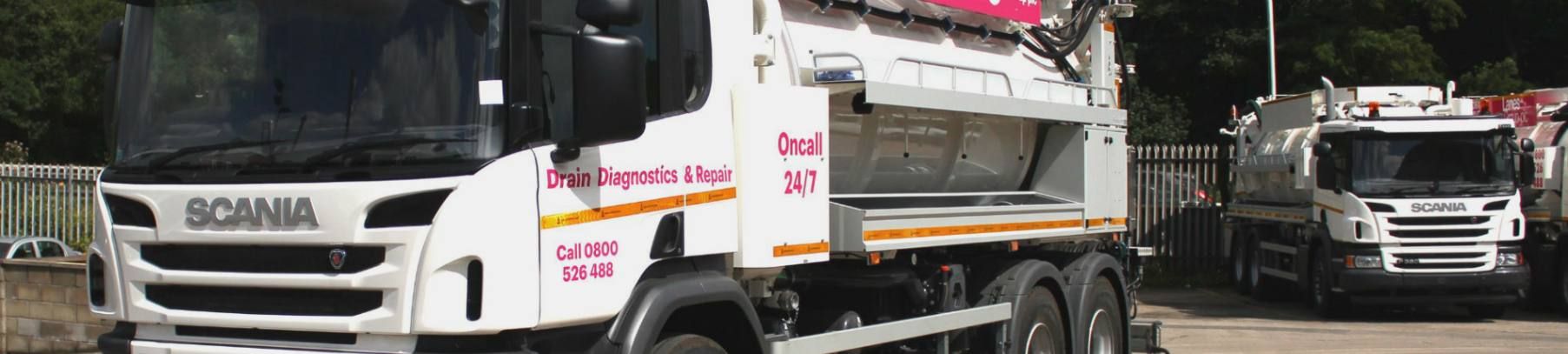
Drainage and wastewater work is a good example of this. HGV drivers operate jet vac units, assist with cleaning and desilting and help diagnose issues on site. These roles are ideal for those who like hands-on work with plenty of variety, and being part of a team.
HGV driving at Lanes Group
At Lanes Group, HGV drivers are a central part of nationwide drainage and wastewater operations. Lanes drivers act as driver/operators, working alongside engineers to carry out cleaning, maintenance and emergency response work.
Drivers operate specialist vehicles fitted with high-pressure jetting equipment and tankers, receiving hands-on training to use this equipment safely and effectively. This means newly qualified drivers and experienced professionals alike can develop new and in-demand skills that set them up for secure careers. Our people also enjoy a huge range of rewards and benefits.
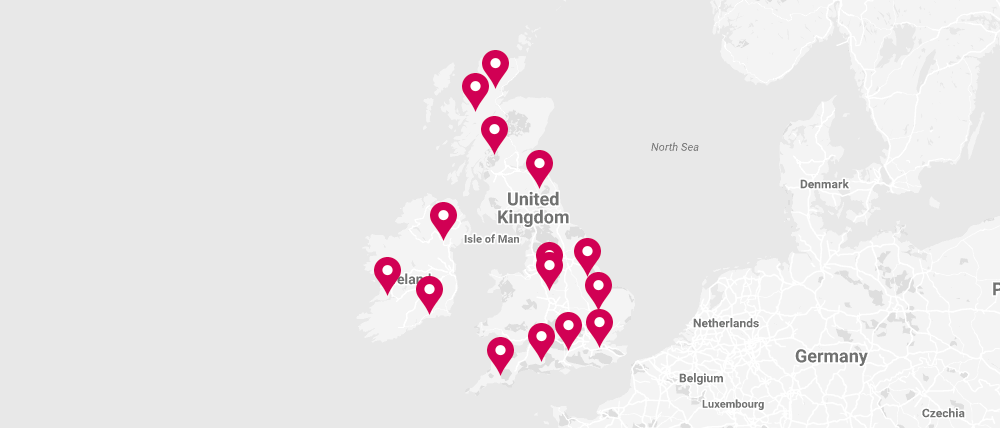
As a nationwide company, Lanes offers HGV roles across the UK. With contracts across major water providers, alongside commercial and domestic contracts, our business is secure and steady, meaning your job is too. With structured training, varied responsibilities and clear progression routes, these roles suit people looking for a long-term career rather than short-term driving work.
Interested in applying? Take a look at our application process, and check out our latest live roles.
Our Offices, Divisions & Depots

Lanes Group Ltd,
17 Parkside Lane, Parkside Industrial Estate, Leeds, LS11 5TD
Lanes Group ltd
Customer Solutions Centre
9 Cambridge Avenue
Slough
SL1 4AY
Our News Feeds
Andy’s jobs journey reaches fulfilment down in the sewers
Andy led the Lanes emergency team, working on behalf of Thames Water, that first responded to the discovery of the Islington concreteberg.
Why Lanes Group - and the drainage sector - is perfect for those looking for a new career
Find out more about what makes the drainage sector such an attractive proposition for those looking for a change in career.
Where to start when making a career change
Let us help you understand your options when it comes to changing careers
How to successfully apply for a role as a Lanes Group CCTV engineer
Find out more about what we're looking for in our CCTV engineers, and how to maximise your chances of securing a role with Lanes Group.
What it’s actually like to work in the drainage industry
In this article, we look at the many great things about working in the sector and show you what it’s really like to have a career in this growing sector, while busting a fair few myths in the process.
Vicky has perfect role keeping online sales flowing
Personality, determination and a very good understanding of the drainage industry – all qualities that Vicky Smith puts to excellent use as an online sales executive at Lanes Group plc.